
Perfect Pairings: Discover the Delightful Harmony of Paella and Wine
April 16, 2018
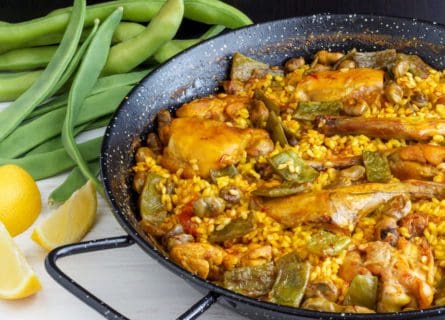
Embark on a culinary adventure: Paella Wine Pairing - the perfect blend of Spanish flavors elevated by exquisite wine choices. Taste the harmony!
Read articleOne of the oldest winemaking families in Spain, Codorníu, has records dating back to 1551 of commercial wine production. Jaume Codorníu was the founding father of this 500-year-old winemaking family. In 1659, the young Codorníu heiress, Anna, married Miguel Raventós. This was the merger of the two families that are still linked to the business today. The first Cava (“methode champenoise”) wine was made by José Raventós, a direct descendant of Anna Codorníu and Miguel Raventós in 1872. He had studied the traditional French method of sparkling wine and brought these techniques back to the Penedés region. Tragically, less than 15 years later, the Phylloxera plague (a North American insect that decimated European vineyards in the late 1800s) infested the vineyards of the Penedés. The business was affected, but the family fought back with the most innovative viticultural techniques and survived the dilemma. By the end of the 19th century, Codorníu produced over 100,000 bottles of cava per annum.
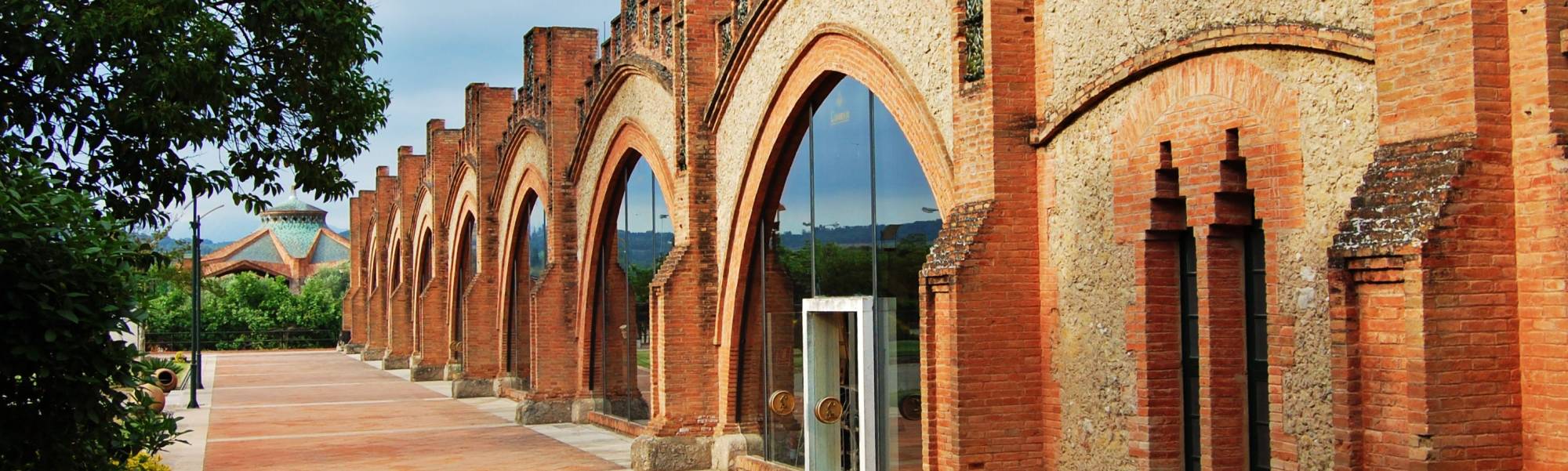
Codorníu were members of high society, as shown when the King of Spain, Alfonso XIII, visited the Codorníu winery and presided over the banquet offered in his honor in 1904. Throughout the first half of the 20th century, it’s a wonder how any business could survive in the midst of war, never mind a “luxury goods” business. But Codorníu made it through this dark period in Spanish history and even flourished. In 1976, King Juan Carlos I of Spain declared the gorgeous “Modernista” cellars a Monument of National Historical-Artistic Merit. The beautiful winery was commissioned by Manuel Raventós, who inherited the Can Codorníu estate in 1885. He employed one of the leading architects of the time, Josep Puig I Cadalfach (today considered one of the “modernist” geniuses, along with Gaudi), to design the new winery in Sant Sadurni d’Anoia. The building lasted from 1885 to 1915, resulting in a stunning, unique structure. Codorníu is a pleasure for the wine tourist. It boasts one of the most attractive wineries in Spain. The company has been one of the innovators in “Wine Tourism” in Spain, providing the infrastructure necessary for an interesting visit. The ambiance of the place, paired with superb Cava wines, makes a visit to Codorníu’s cellars unforgettable.
In Codorníu, the key to crafting excellent cava lies in the meticulous selection of the finest grape varieties and the utmost care given to the vineyards. With an unwavering dedication to excellence, the winemakers at Codorníu demonstrate an exceptional understanding of the individual requirements of every grape variety. Their commitment extends beyond planting vines, as they proactively go above and beyond to ensure that each variety’s distinct needs are met even before a single vine takes root.
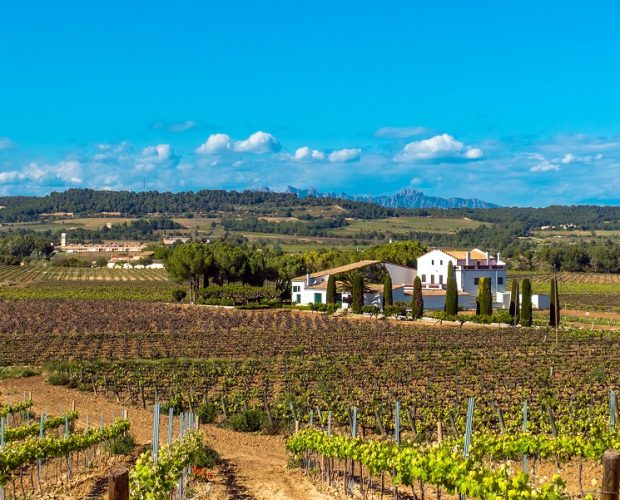
What sets Codorníu apart is their exclusive use of grapes from vineyards located in three distinct climatic zones within the D.O. Cava. This unique approach enables them to cultivate each variety in the precise region where it can genuinely showcase its distinctive character. Moreover, this remarkable diversity presents an unparalleled opportunity for Codorníu to craft various cava styles and types, setting them apart from their competitors.
John Radford, acclaimed Spanish wine expert, and journalist, says about Codorniu: “Anything made here is at least excellent and often exceptional. Best wines: the outstanding Codorníu 1551 (“big three” and Jaume Codorníu.).”
1551
2,700 ha, own vineyards
15 - 35 years +
35 Million bottles
April 16, 2018
Embark on a culinary adventure: Paella Wine Pairing - the perfect blend of Spanish flavors elevated by exquisite wine choices. Taste the harmony!
Read article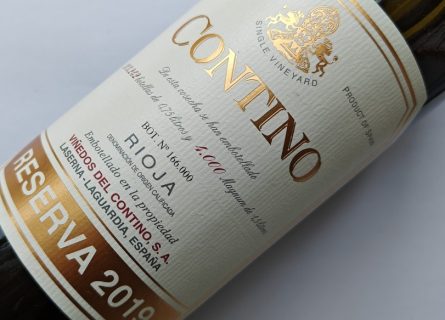
April 1, 2024
Demystify Spanish wine labels and understand the key terminology. Learn about the diverse wine regions, classifications, and varietals of Spain.
Read article
February 21, 2017
Explore the hidden world of Spanish wine grape varieties. Discover the exceptional Albariño and Verdejo grapes and their unique characteristics.
Read article
August 8, 2022
Unveil the allure of Parellada grape: a Spanish gem crafting elegant sparkling & white wines. Explore its unique qualities & flavor profile.
Read article
July 1, 2024
Explore Spain's rich wine regions and indigenous grapes. A journey through diverse styles and deep heritage.
Read article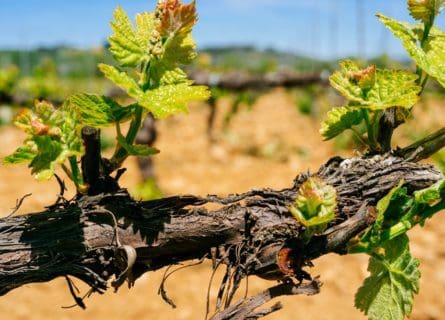
September 26, 2017
Unearth Mencía: Spain's captivating red gem. Original and alluring, it emerges from the shadows, captivating wine enthusiasts worldwide.
Read article