Sauvignon Blanc Grape Variety: The Great Divider
October 10, 2022
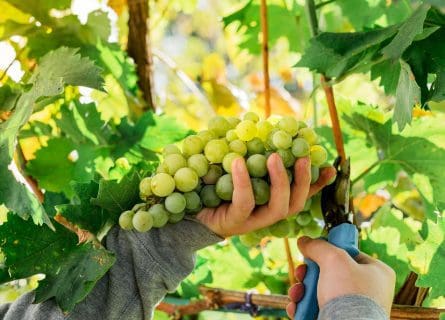
The sauvignon blanc grape varietal, originally from the Bordeaux region of France, is now one of the world's most loved white varieties.
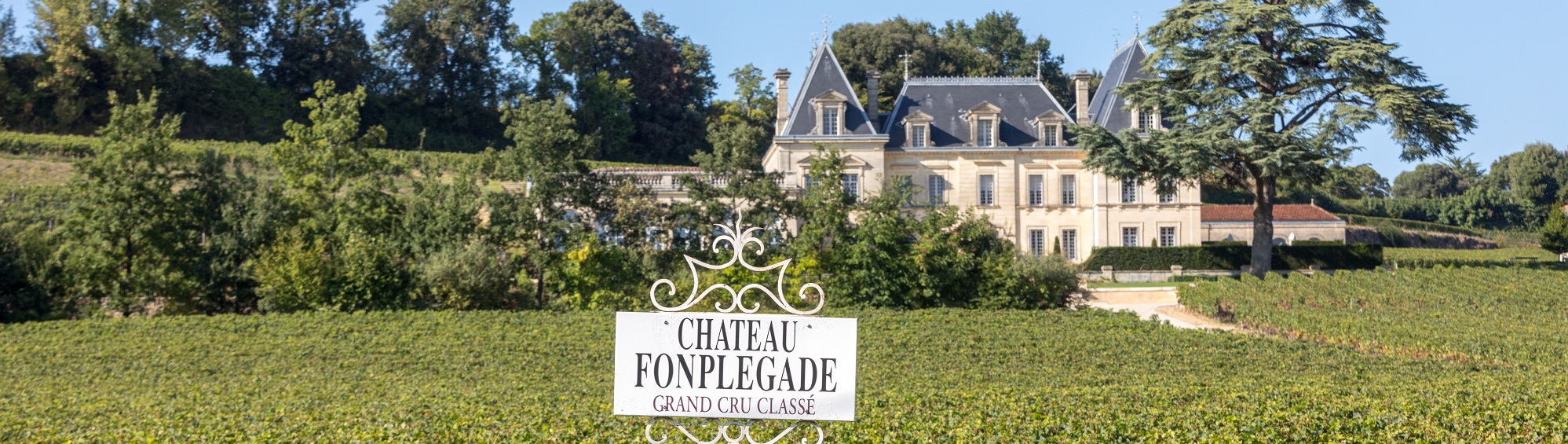
Read articleThis mid-nineteenth-century Château is one of the most beautiful in the St-Emilion wine region. It has lorded it over the famed “Côte Sud,” a source of some of the region’s most coveted wines for centuries. The property takes its name from a legendary fountain to be found in the grounds – Fonplegade means the “fountain of plenty,” and history tells that for a millennium, this fountain has quenched the thirst of pilgrims and maintained these sacred vineyards in the driest of years. Château Fonplegage may only have been founded as recently as 1852, but these grounds’ rich legacy stretches back for centuries.
Fonpleage was the realization of a dream by the wealthy and successful merchant – Jean-Pierre Beylot – who recognized the potential of the current vineyard site to produce excellent and long-lasting wines. He poured his heart and soul into bringing the property to life and expanded the estate to the 18.5 hectares we have today. After Beylot died, the property came under the control of the Duke of Morny and the Countess of Galard, who were the half-brother and half-sister of Napolean III! The renown of the property grew in the 19th century; in 1865, Fonpleage received a Gold medal at the Paris Exposition Universelle and was named a Premier Grand Cru Classe, a distinction it would enjoy until the mid-1940s.
The Château, as with so many estates in Bordeaux, exchanged hands several times in the early 20th century until 1953, when it was acquired by the negociant (merchant) house of Armand Moueix. Fonplegade greeted the millennium with optimism as Christian Mouiex, a highly respected oenologist, became involved in the winemaking. The previous two decades had seen standards slip slightly at the property -time and the demands of modern winemaking took their toll on the estate and its facilities. However, the Mouiex family was forced to put the estate on the market, and in 2004 it was acquired by the Adams family (no pun intended!)
So began a new golden age for Fonplegade; the Château’s American investors wasted no time re-invigorating the vineyards, increasing the vine density to 8,000 vines per hectare and converting to organic viticulture. The winery was overhauled entirely, too; the Adams replaced the cement tanks with wooden vats and only the finest oak barrels. This modern style and vinification techniques are far from the previous owners’ traditional methods, which shows in the wines.
Since 2004, this estate’s wines have wowed critics and consumers alike – the 2010 vintage showed the property at its finest: a nose of cherries, plum, and meat, a juicy, rich palate, concentration but also balance and freshness. The property itself is one of the finest in the Right Bank, and with wines like this being produced, there has never been a better time to visit Fonplegade.
1852
18.5 ha
30 years+
4000 cases
October 10, 2022
The sauvignon blanc grape varietal, originally from the Bordeaux region of France, is now one of the world's most loved white varieties.
Read article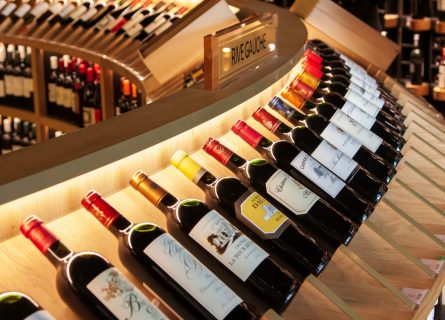
August 9, 2024
Uncover the fascinating story behind Bordeaux's 1855 classification. Learn how it shaped the world's most renowned fine wine region.
Read article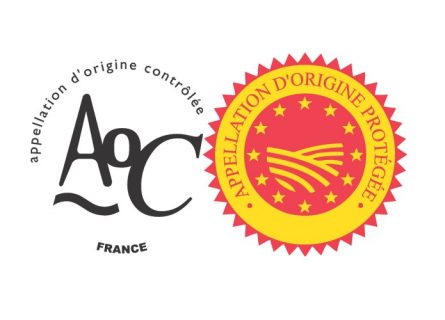
July 9, 2024
Discover the rich history and traditions that have shaped French wine production, from the creation of regulated appellations to the rise of natural wines.
Read article
October 17, 2022
Explore the allure of the Semillon grape & its legendary connection to Sauternes. Unveil the history & flavors of this captivating varietal. Cheers!
Read article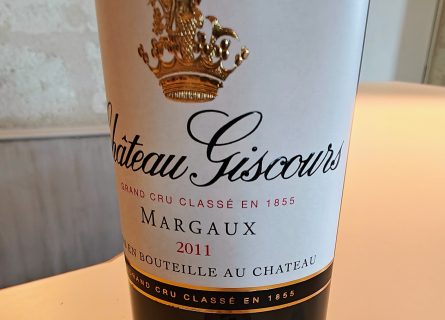
July 24, 2024
Learn to decode French wine labels. Understand regions, rules, and quality indicators for better wine selections and appreciation.
Read article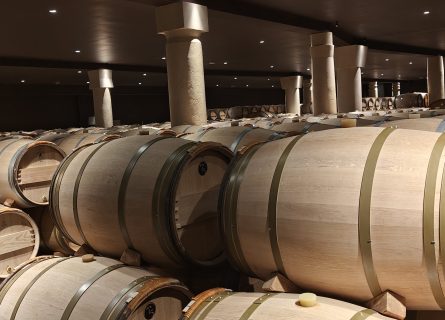
October 15, 2024
Explore the rich history and hierarchy of Bordeaux wine estates with our guide to the famous Bordeaux wine classifications.
Read article