Galicia
Atlantic seafood, empanadas, and the cooking of Galicia
Traditional Spanish food is uncomplicated, flavorful, and based on the freshest regional ingredients made available by Spain’s diverse geography. The Atlantic and Mediterranean oceans surround most of the country, and Spain shares its eastern border with France. While mountains and valleys sprawl across the country’s vast and varied interior landscape. Historically, these mountains acted as natural barriers impeding communication and transportation between regions, and culinary traditions tended to remain local.
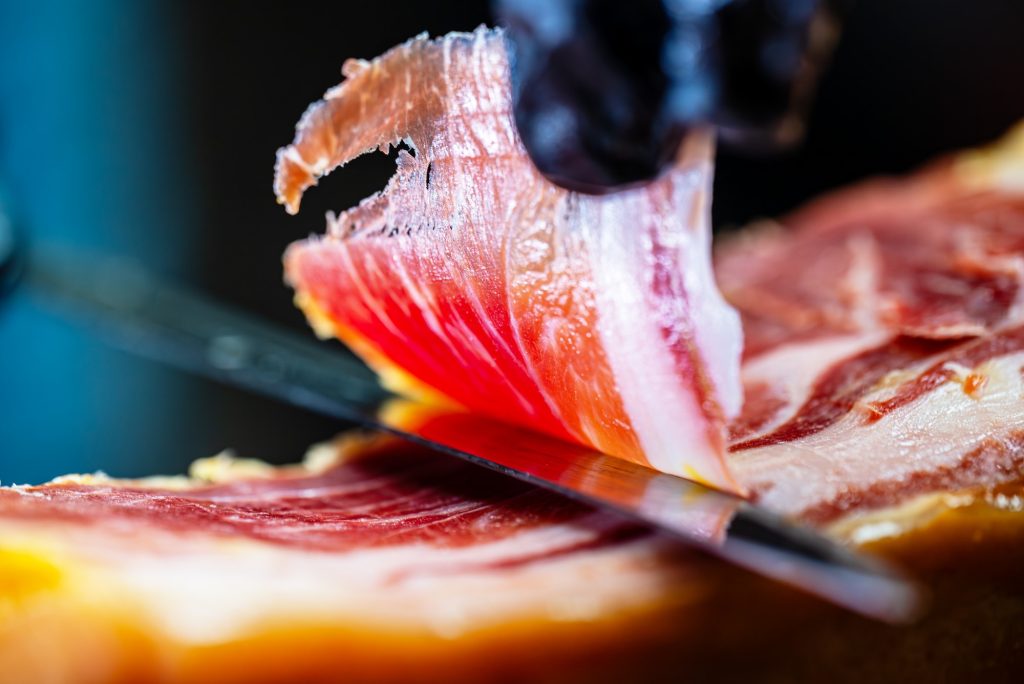
Find the dishes, ingredients, and local traditions that make each place its own.
Regional food guides
Atlantic seafood, empanadas, and the cooking of Galicia
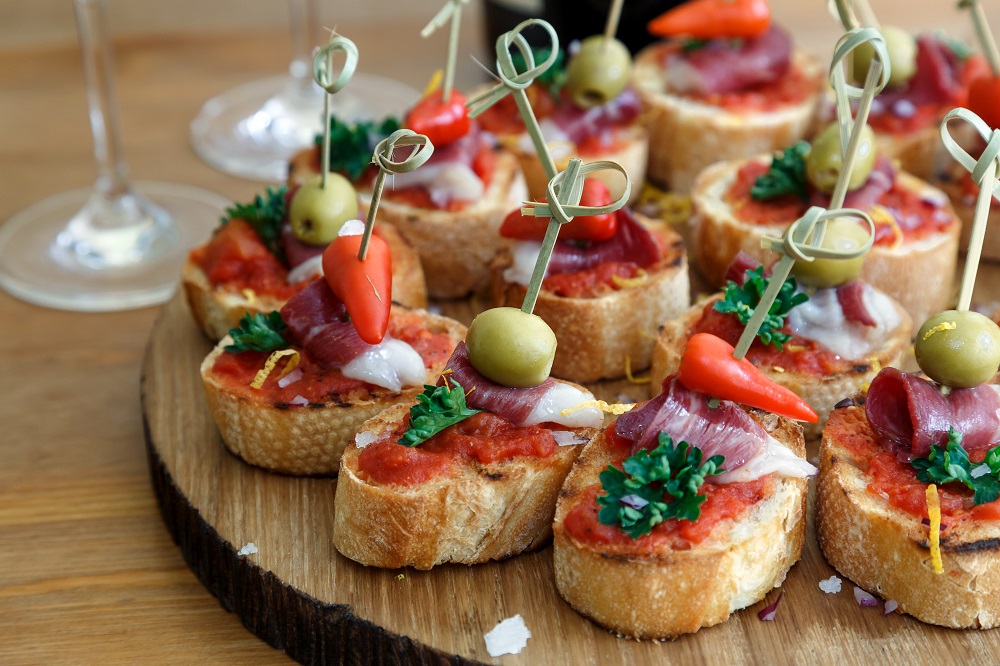
Pintxos, grilled fish and Basque txuleta

Patatas a la riojana, caparrones and regional vegetables
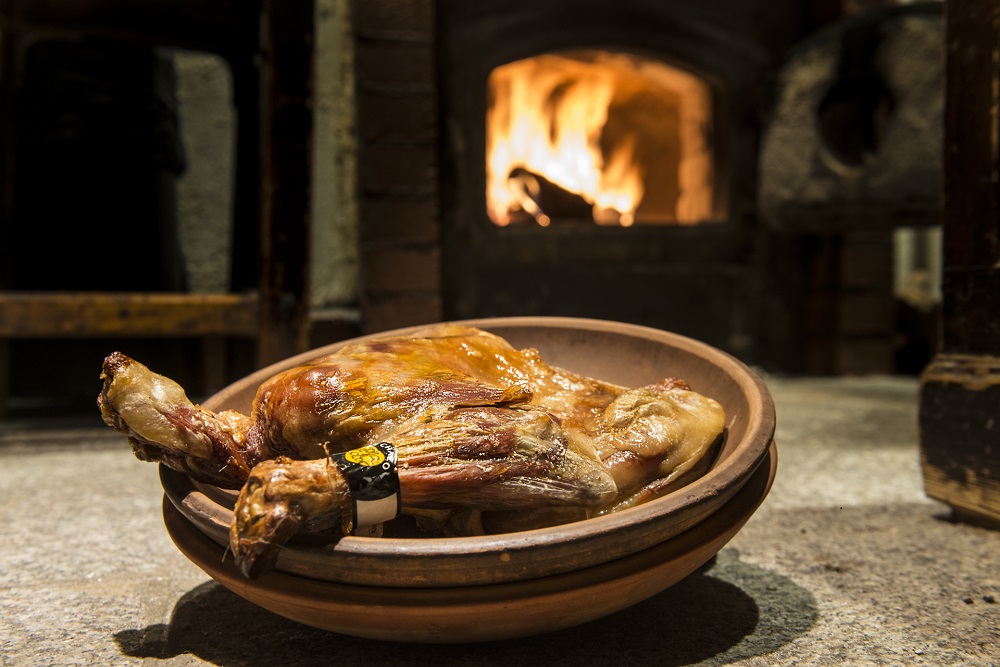
Lechazo, cochinillo and cooking of Castilla y León

Calçots, rice dishes and the Catalan kitchen

Cold soups, fried fish and flavors of the south
Follow the ingredients, dishes and customs that shape food in Spain.
Follow your appetite
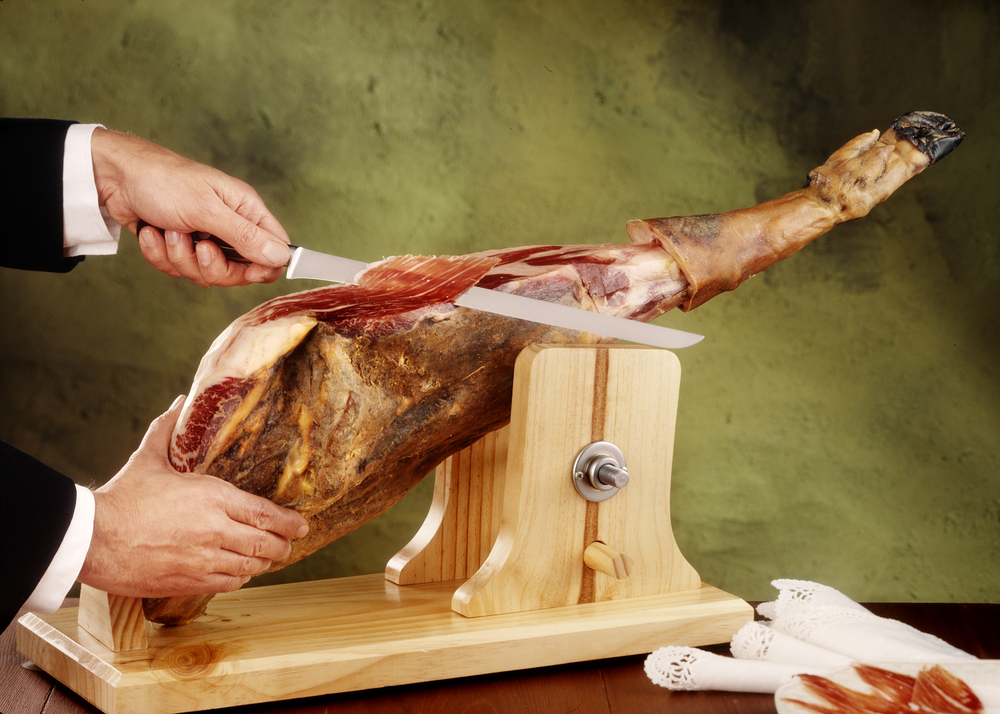
Understand Ibérico, Serrano, and the labels that distinguish them
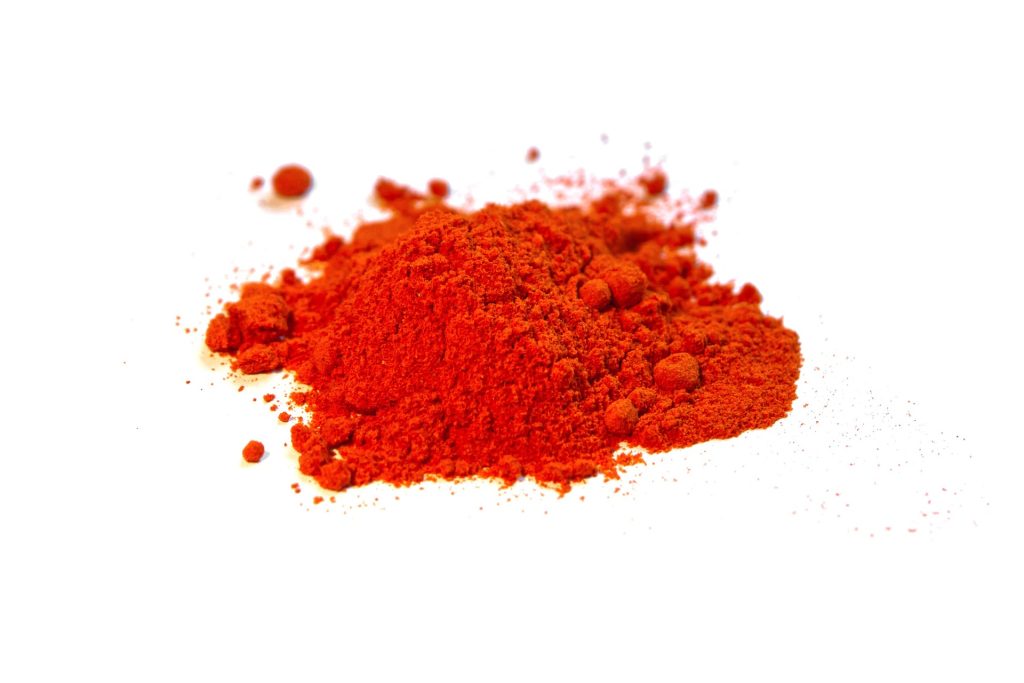
Explore pimentón and its place in Spanish cooking

Discover the varieties and regional styles of Spanish olive oil

How to Plan and Host a Spanish Tapas and Wine Party
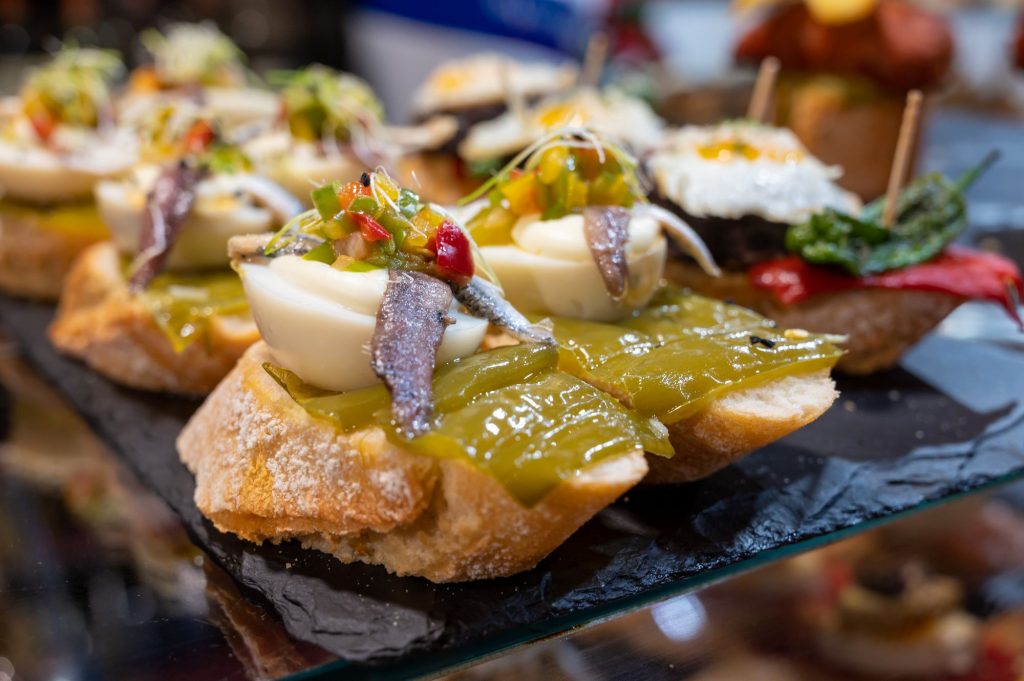
Learn to master the art of pairing wines like Albariño, Rioja, and Cava with your favorite dishes
Understanding Spanish menus before you order
Taste Spain
From Basque pintxos to the wines of Rioja, let your favorite regional flavors inspire your next trip. We’ll plan a private food and wine journey around your tastes, with local producers, winery visits, and carefully chosen restaurants.
These are some of the restaurants we enjoy sharing with guests on our private food and wine tours across Spain. Our recommendations draw on personal dining experiences, restaurants featured in selected itineraries, and guest feedback. From traditional Castilian roasts to Atlantic seafood and inventive contemporary cooking, each reflects the region's distinctive culinary character.
Segovia, Castilla y León · Traditional Castilian cuisine
Why we recommend it
Few dishes capture Castilian cooking as vividly as Segovia’s roast suckling pig. At José María, crisp-skinned cochinillo is the house specialty, paired with seasonal dishes and wines from Pago de Carraovejas. Its traditional dining rooms make it a wonderful introduction to Spain’s great roasting culture.
Getaria, Basque Country · Charcoal-grilled seafood
Why we recommend it
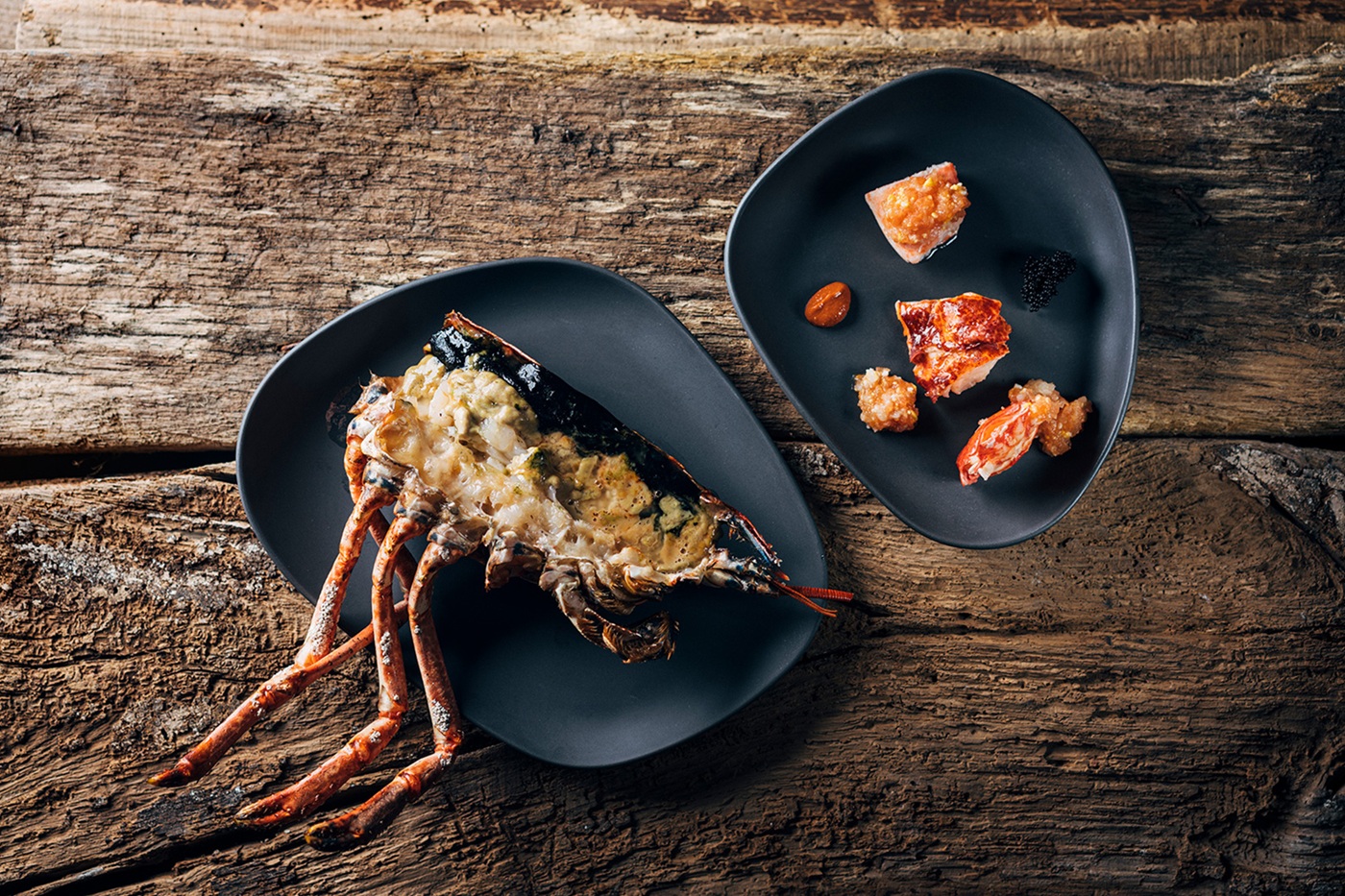
Getaria’s fishing heritage is at the heart of Elkano, where whole turbot cooked over charcoal is the defining dish. The kitchen prepares outstanding Cantabrian fish and shellfish with remarkable precision, while an extensive wine cellar, including local Txakoli, complements one of the Basque Country’s most memorable dining experiences.
Ribadavia, Galicia · Galician cuisine and Ribeiro wines
Why we recommend it
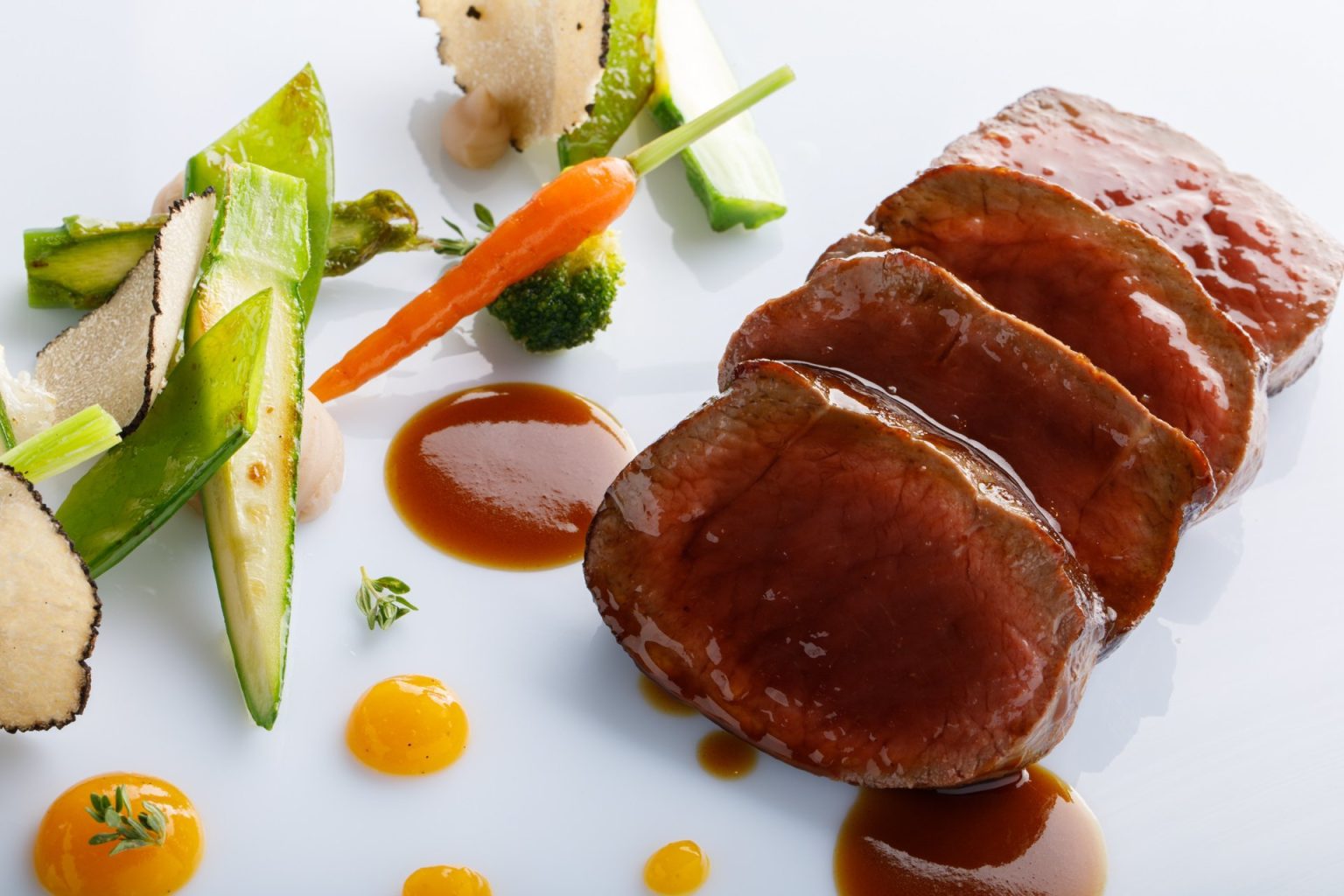
Surrounded by the vineyards of Casal de Armán, Sábrego offers a wonderful introduction to Ribeiro's food and wines. Seasonal Galician ingredients, from local vegetables and meats to Atlantic fish, are thoughtfully prepared and accompanied by the estate’s wines, including its distinctive Treixadura-based whites.
El Puerto de Santa María, Andalusia · Innovative marine cuisine
Why we recommend it
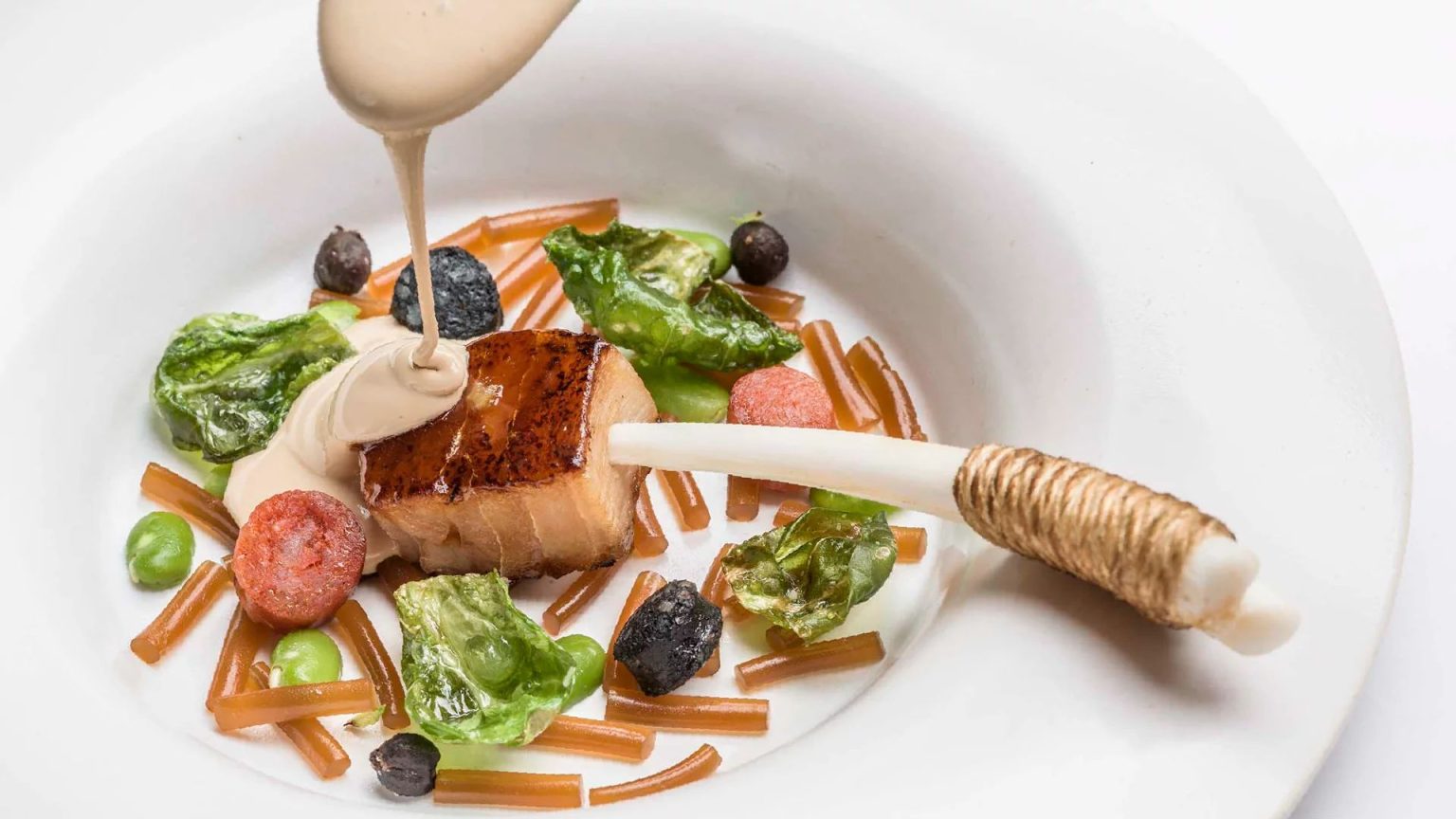
At a restored tidal mill surrounded by Cádiz’s salt marshes, chef Ángel León explores the extraordinary possibilities of marine ingredients. Aponiente’s inventive tasting menus celebrate the flavours of the sea, including lesser-known fish, shellfish and marine plants, with exceptional wine and sherry pairings adding another dimension to the experience.
Casalarreina, La Rioja · Traditional Riojan cuisine
Why we recommend it
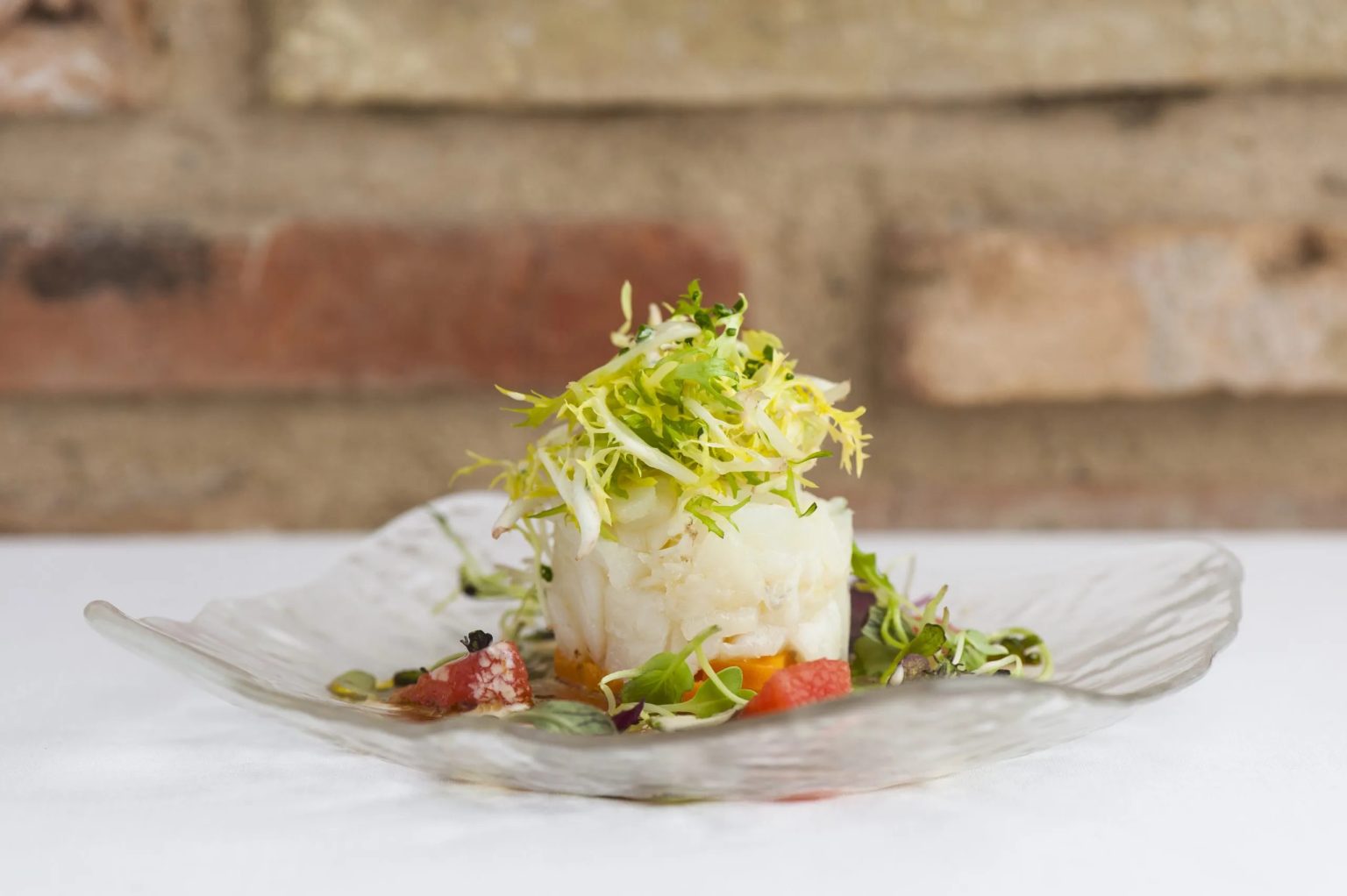
A beautifully restored 17th-century wine-cellar building provides an atmospheric setting for traditional Riojan cooking. Seasonal vegetables, carefully prepared roast meats, and an extensive wine list make La Vieja Bodega a particularly appealing stop in Rioja wine country. The hospitality is warm, and the cooking remains firmly connected to the region.
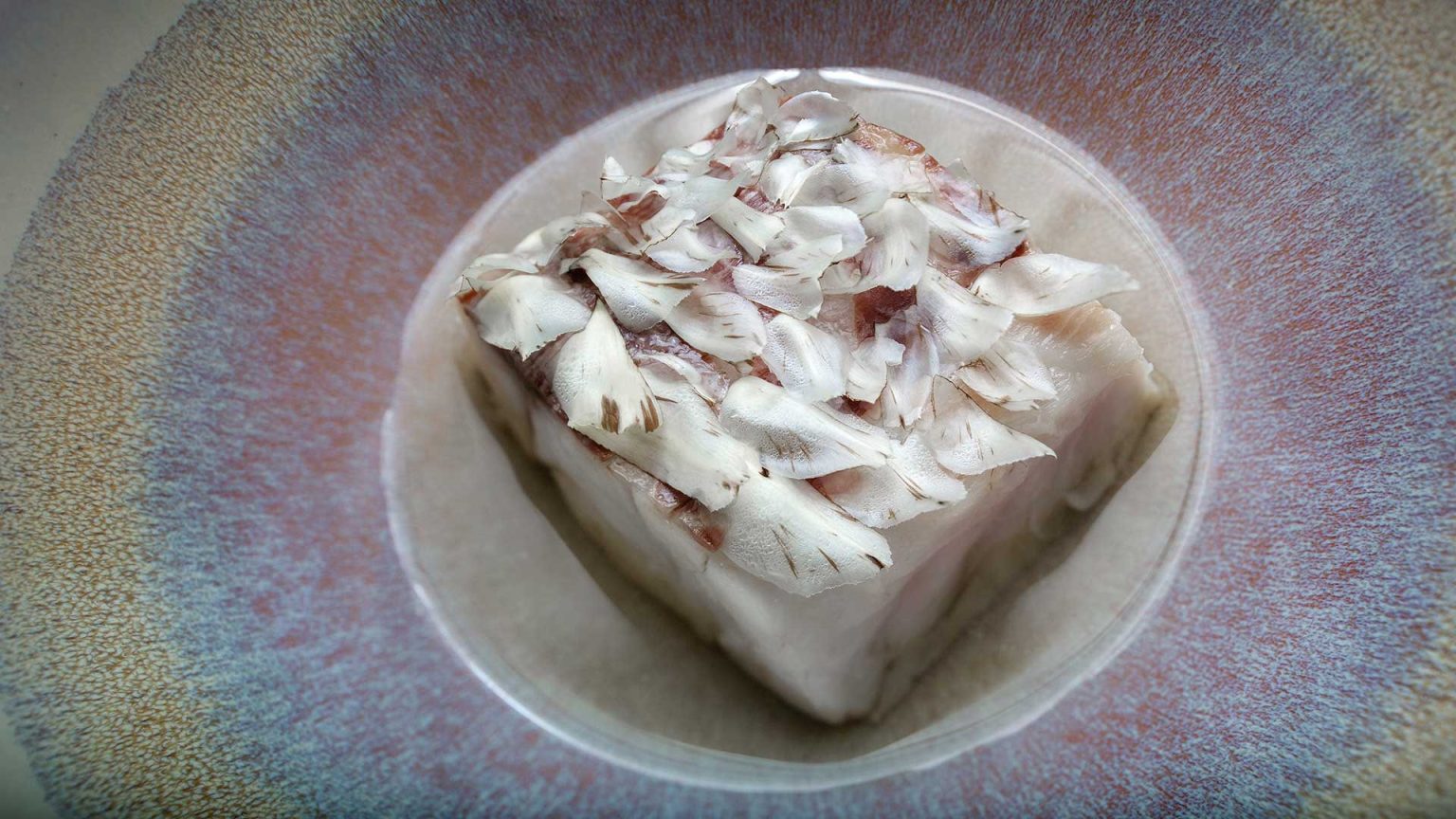
Arriondas, Asturias · Contemporary Asturian cuisine
Why we recommend it
In the green hills above Arriondas, Nacho and Esther Manzano draw inspiration from family recipes and the ingredients of rural Asturias. Casa Marcial combines contemporary techniques with a deep respect for local cooking traditions, bringing the region’s farms, mountains and nearby Cantabrian coast together in a highly individual dining experience.
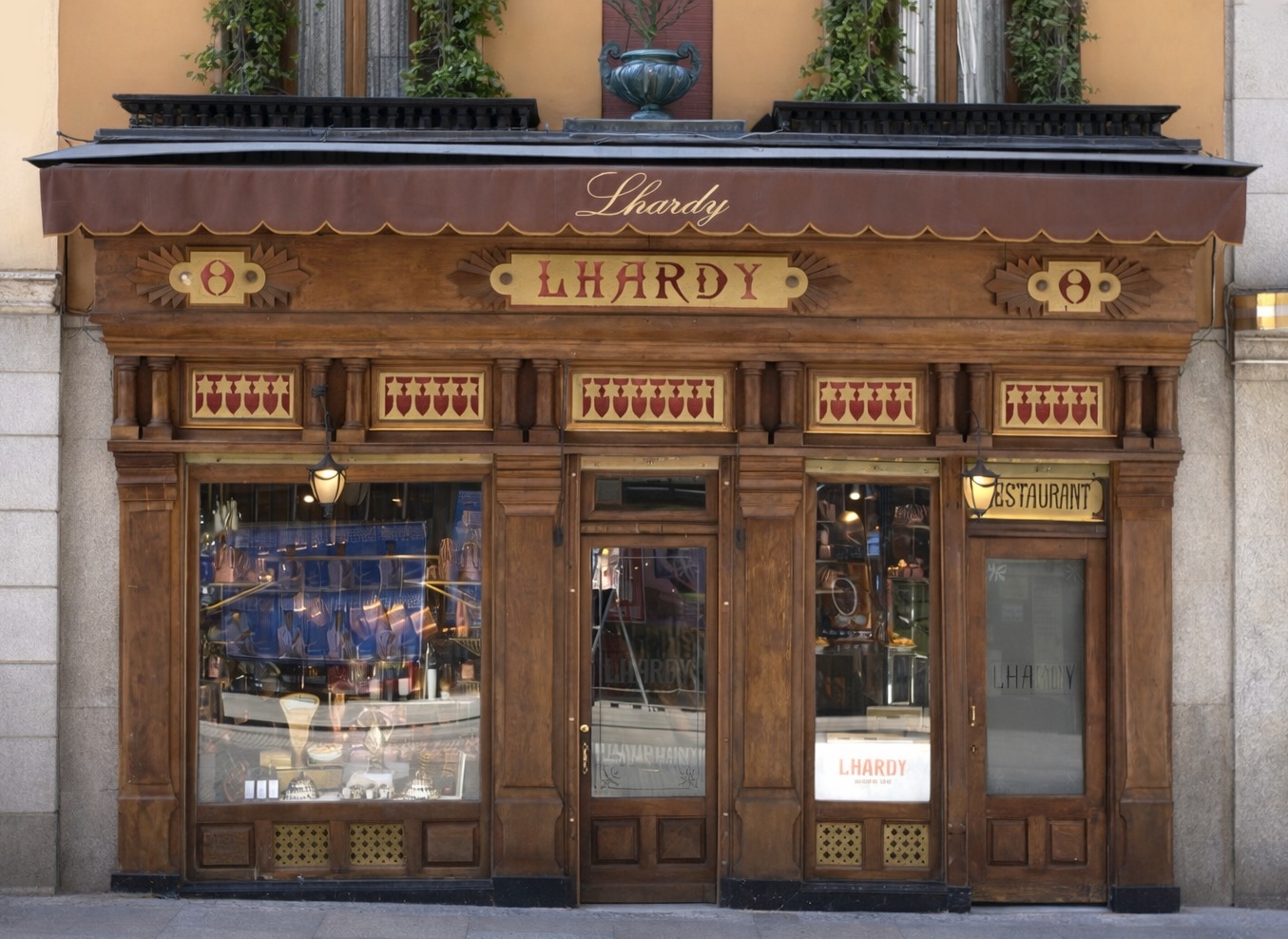
Madrid · Historic Madrileño cuisine
Why we recommend it
Established in 1839, Lhardy is part of Madrid’s culinary history. Its elegant dining rooms provide a memorable setting for cocido madrileño, consommé and other traditional dishes that have long defined the capital’s cooking. Few restaurants capture the atmosphere and gastronomic traditions of old Madrid quite so evocatively.
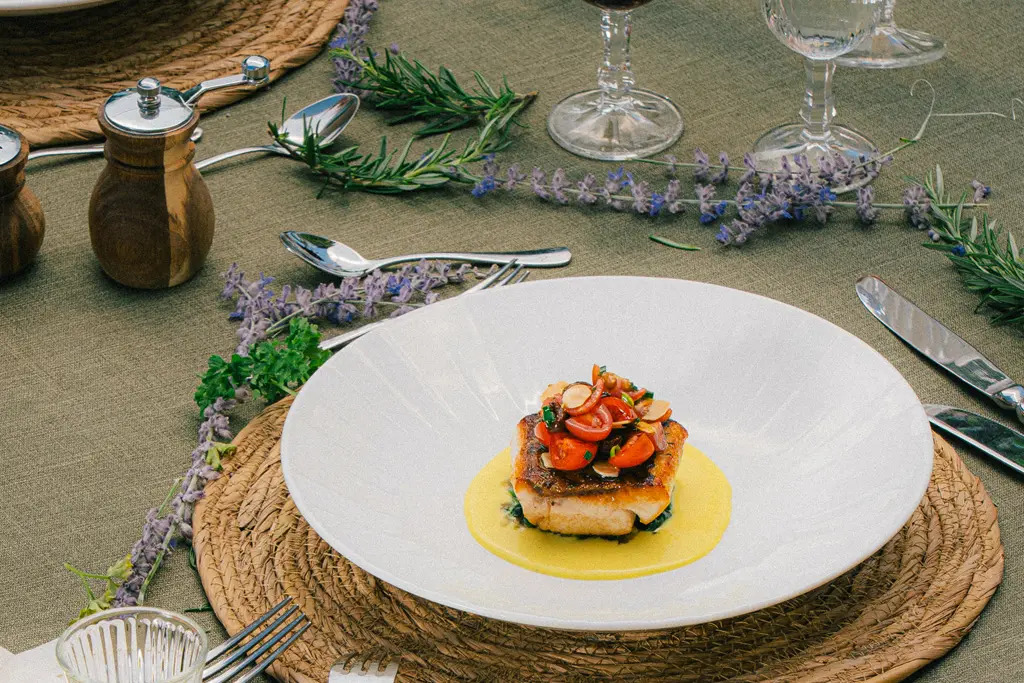
Palma de Mallorca, Balearic Islands · Contemporary Mediterranean cuisine
Why we recommend it
Set in Palma’s historic center, Marc Fosh brings a contemporary approach to Mallorca's and the Balearic Islands' seasonal ingredients. His elegant Mediterranean cooking combines creativity with the distinctive flavors of local produce, complemented by carefully selected wines in a stylish, intimate setting.