Petit Manseng Grape Variety: The Bargain of the Century
September 20, 2022
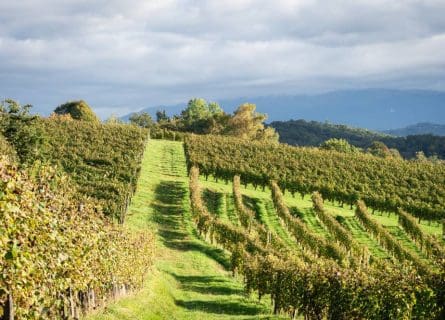
Petit Manseng is a white grape grown mainly in the South West of France that produces high-quality sweet wines. It's one of France's best-kept wine secrets.
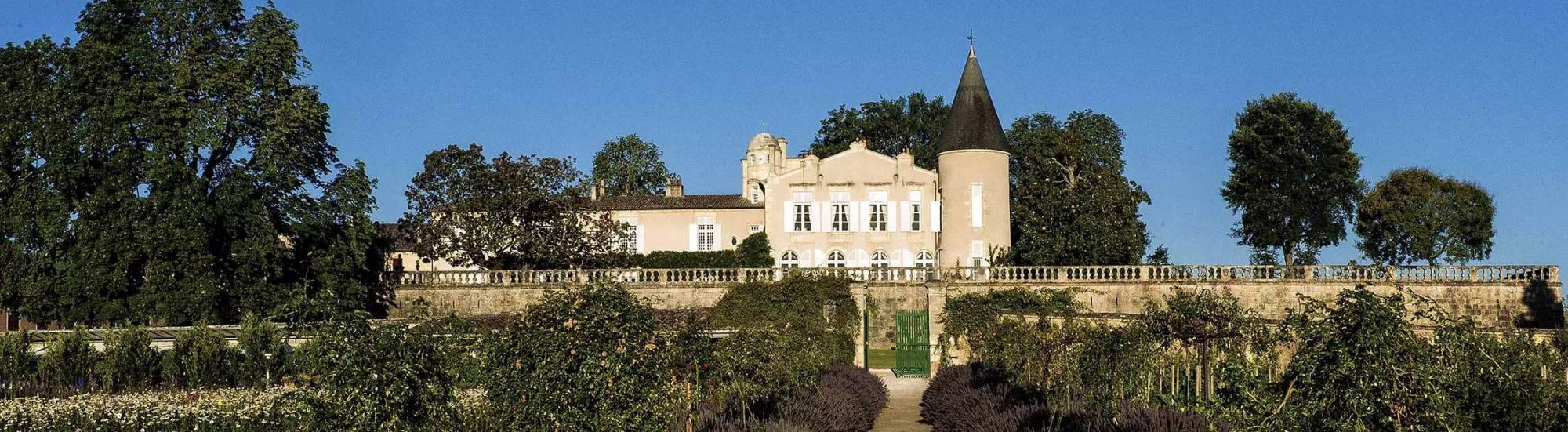
Read articleWhat does Château Lafite mean to the world? For many, the name inspires instant recognition, even if the individual is indifferent to the charms of red Bordeaux; for wealthy collectors and oenophiles, Lafite is the enduring symbol of refinement and collectability. Yet the château takes its name from a surprisingly modest origin in the Médoc. The name is often linked to the Gascon term la hite, meaning a small hill. The mansion itself is surprisingly modest, although the Second Empire furnishings of the interior are undeniably opulent. But ultimately, the land surrounding the estate is of real interest, rather than the silk wallcoverings of the château. The best terroir boasts deep gravel soil, lying on a bed of marl and deep limestone, which many critics believe explains the Grand Vin’s unrivaled finesse. The winemaking at Lafite is meticulous, but the estate’s reputation ultimately rests on its terroir.
This is the exquisite paradox of Château Lafite. It is considered one of Pauillac’s defining châteaux and a powerful symbol of rarity, luxury, and refinement. But the estate’s core is a love of farming, terroir, and the preservation of the wider environment. Today, Château Lafite Rothschild is led by Saskia de Rothschild, who represents the new generation of Rothschild stewardship and is committed to ecologically sound viticultural practices. The estate is transitioning to organic farming and joined the B Corp community in December 2023.
Of course, it will be no surprise to learn that Lafite dates back to medieval times despite these concessions to modernity. Historians believe that vines were planted as a commercial venture in the 17th century; in 1695, Lafite fell into the hands of Alexandre Ségur, who subsequently married Marie-Thérèse de Clauzel, the heiress to Château Latour. Thus, the two most bankable wine labels in the world were owned by the same family for a time.
However, the two future First Growths were separated when Alexandre’s son, Nicolas-Alexandre, died in 1755, although Lafite remained in the Ségur family. Unfortunately, the family was forced to sell Lafite in 1784 after Nicolas-Marie-Alexandre made some poor financial decisions. Lafite was passed from owner to owner after that, including a Dutch consortium, the Scott bank, and the Lemaire family. After several changes of ownership in the 18th and 19th centuries, Baron James de Rothschild purchased Lafite in 1868 for a then-enormous sum, commonly cited as 4.4 million francs. However, he died soon after the purchase. It has remained in the hands of the Rothschild family ever since. Winemaking continued to run (relatively) smoothly even throughout Europe’s numerous wars of the 19th and 20th centuries, the key exception being the Second World War. During the Second World War, the estate was occupied, and the cellars suffered losses; Lafite was later restored under post-war Rothschild stewardship.
In 1855, Lafite appeared at the head of the First Growths when the Bordeaux classification was devised. More than a century and a half later, it maintains this mysticism and allure, unique across Bordeaux. The Château has benefited from successive generations of Rothschild stewardship and notable technical leaders, including Charles Chevalier and other senior DBR Lafite figures. Each successive custodian has expertly undertaken a complex and essential task – maintaining Lafite’s historical legacy while embracing new approaches to marketing, technological realities, and evolving viticultural practices. Lafite now embraces digital track-and-trace technologies, using a tiny chip embedded in the packaging to combat global wine fraud.
But the Grand Vin has scarcely changed in style and quality for over a century. Lafite is the Médoc’s poster child for finesse rather than brute power or opulence. Undeniably lighter than Latour and Mouton-Rothschild, Lafite has never tried to outgun its rivals – instead, it lets the elegance, exquisite complexity, and supple texture speak for itself. Cellar Tours has been privileged to sample several vintages of this inimitable wine – the hype, for once, is entirely justified. Our tasting notes describe a glass of impeccable balance and finesse, with a sweet nose of truffles and cherry combined with unsurpassed length and breadth on the palate.
Château Lafite also ages incredibly well; it is often said to be the perfect gift for grandparents to bequeath to their grandchildren. Lucky critics speak of 19th-century bottles that sing. In that sense, Lafite is the most profound contradiction: a fascinating marriage between the timeless and uncompromising, the contemporary and cutting-edge. Once a bottle is opened, you’ll never want the pleasure to end.
September 20, 2022
Petit Manseng is a white grape grown mainly in the South West of France that produces high-quality sweet wines. It's one of France's best-kept wine secrets.
Read article
July 9, 2024
Discover the rich history and traditions that have shaped French wine production, from the creation of regulated appellations to the rise of natural wines.
Read article
October 4, 2022
Learn about Roussanne, the elegant white grape native to Rhône. Often blended with Marsanne, explore its unique qualities and rich heritage in our guide.
Read article
October 10, 2022
The sauvignon blanc grape varietal, originally from the Bordeaux region of France, is now one of the world's most loved white varieties.
Read article
October 26, 2024
Discover the classifications of Burgundy wines and unlock the key to understanding this renowned region's beloved Pinot Noir and Chardonnay.
Read article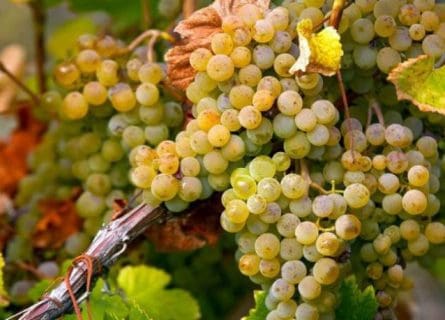
September 8, 2022
Mauzac: A white grape mainly grown in Gaillac and Limoux, Languedoc-Roussillon, Southern France. Often used in sparkling wines like Crémant de Limoux.
Read article