Piedmont Wine Region Guide
Barolo, Barbaresco and the Vineyards at the Foot of the Alps
Introduction
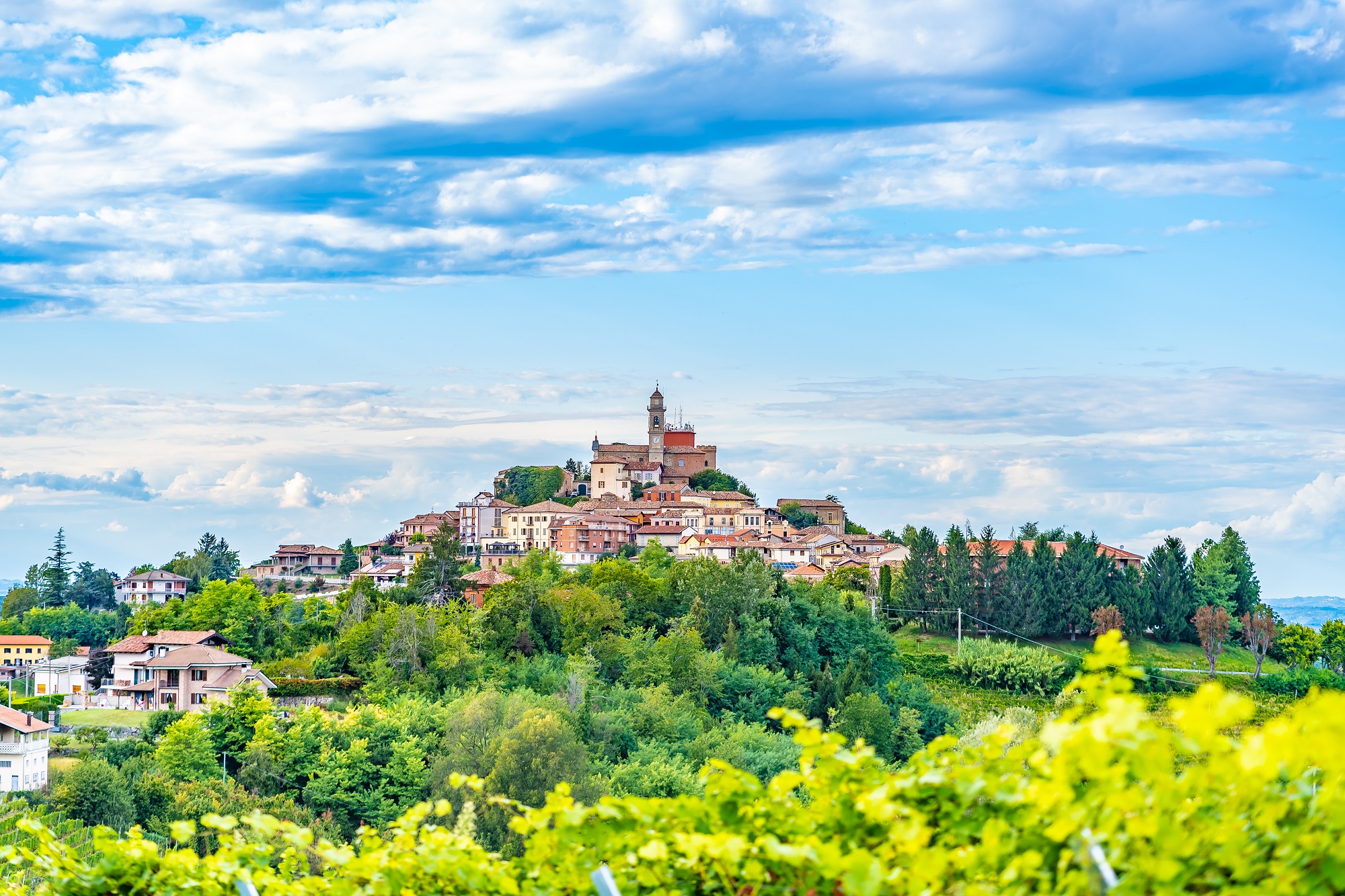
Described as one of Italy’s most compelling wine regions for serious collectors and gastronomic travelers, Piedmont offers a myriad of indigenous grape varieties and regional appellations, most famously Barolo and Barbaresco. Yet this is merely the beginning: one of Italy’s finest dry whites, Cortese di Gavi, is made in this dramatic landscape, not to mention Barbera d’Asti, Moscato d’Asti, Dolcetto, and Arneis grapes. The magic happens in northwestern Italy – Piedmont translates as “at the foot of the mountains.” Indeed, its vineyards are shadowed by the spectacular Alps, which almost encircle this undulating region, offering ample opportunities for winter skiing and snowboarding. Meanwhile, the area’s capital, Turin, is a historic city rich in diversions; Turin and the Langhe offer some of northern Italy’s most rewarding restaurants and wine bars. No one could accuse Piedmont of lacking viticultural, gastronomic, or cultural excitement. See for yourself.
History
Piedmont was inhabited by Celtic-Ligurian tribes in the ancient era, most notably the Taurini and Salassi tribes. They built several important settlements in the pre-Roman period, including the once splendid city of Taurisia. However, during the Second Punic War between the forces of Carthage and Rome, Taurisia was destroyed by the forces of Hannibal as his army—riding on elephants—crossed the Alps.
Rome intended to propagate the vine in its newly acquired territories, planting vineyards in the hills of Piedmont—and, indeed, across the Mediterranean. After the collapse of the Western Roman Empire, however, viticulture became a minor priority.
By the Middle Ages, Piedmont was part of the County of Savoy; certain areas, such as Asti and Alessandria, kept their independence through a mixture of bribes and subtle bargaining. Documentation found at the castle of Rivoli made early references to the Nebbiolo grape in the 1200s, as did a book of statutes located in the village of La Morra dating back to 1431.
Camillo Benso was also highly instrumental in transforming Piedmont’s wine industry during the 19th century. Improving viticultural and winemaking techniques across the region turned Piedmont into an increasingly important source of fine and exportable wine.
The Barolo and Barbaresco consortium was founded in 1934 and reconstituted after World War II in 1947; both wines gained DOC status in 1966 and DOCG status in 1980. By the end of the century, the Langhe was arguing about barriques, shorter macerations, and the merits of modernity with almost as much energy as it devoted to Nebbiolo. The quarrel could be exhausting; the wines were anything but.
Geography and terroir
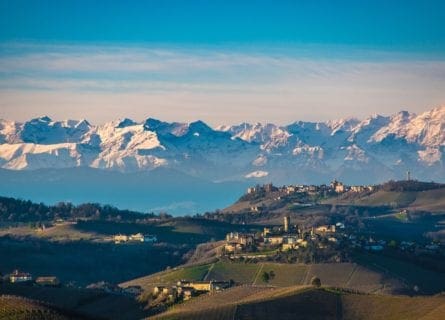
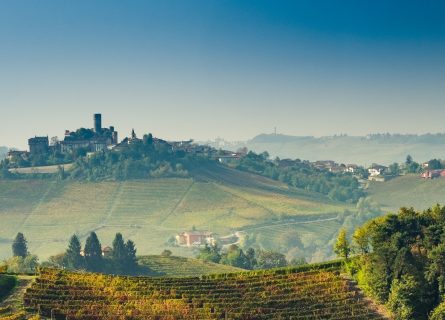
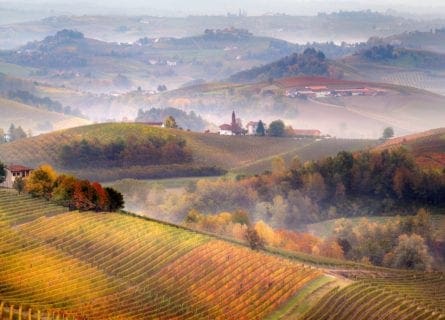
Piedmont is situated in the northwestern corner of Italy, with Switzerland to the north, France to the west, and Liguria to the south. It is undoubtedly one of Italy’s most beautiful wine regions: in the fall, thick fog hovers on the brightly colored hills (the red and orange vines actually ‘glow’ with the reflection of the Alps), and you can make out the castle tops and pretty villages on the horizon.
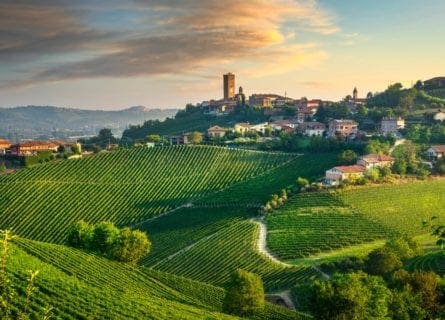
It is also a region of steep inclines and rolling hills; very few Piedmontese vineyards are planted on flat terrain. Every vineyard site faces a slightly different direction and is governed by a somewhat different aspect and elevation. This enables various styles to be produced in the region and encourages endless debates over terroir classification and delineation! The climate, too, is highly conducive to quality wine growing: a warm growing season followed by a misty fall and a cold, often foggy winter.
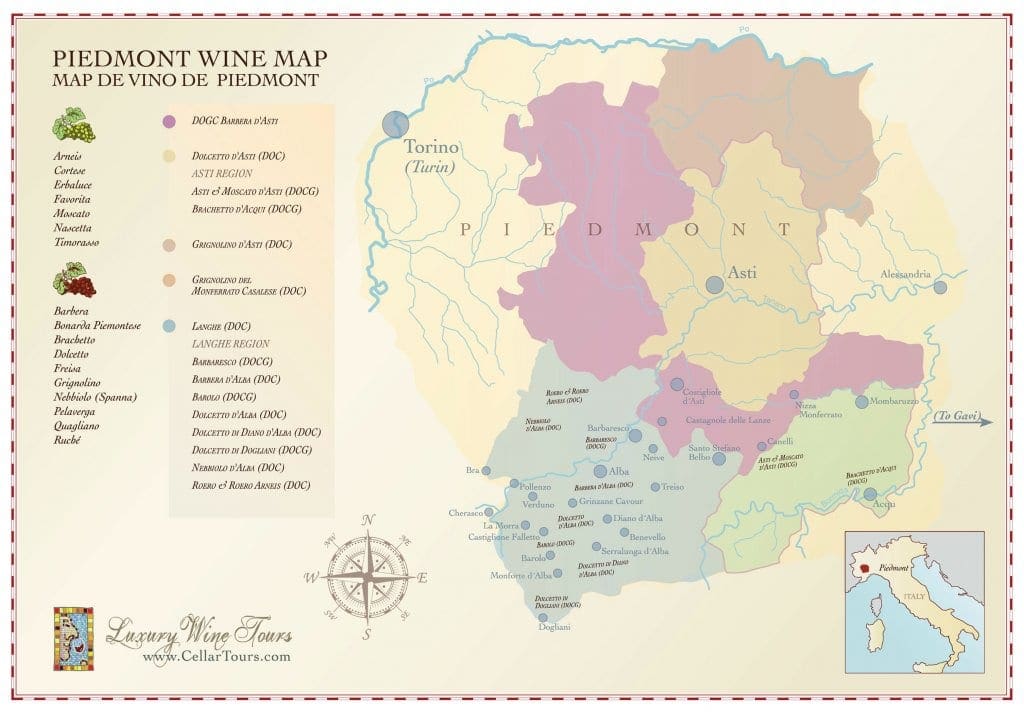
Most vineyards are located southeast of Turin, centered upon the Langhe, Roero, and Monferrato hills. However, Piedmontese viticulture also extends north into Canavese and Alto Piemonte, including the vineyards near Lake Maggiore, and southeast to Gavi and the Colli Tortonesi. As elsewhere, hitherto underperforming appellations are constantly improving, mindful of the shrinking consumer tolerance for lackluster wine.
Yet Piedmont is not a democracy. Many of the finest sites in the Langhe hills are planted to Nebbiolo, a late-ripening grape that needs plenty of sunshine and heat to achieve full physiological ripeness. Besides, Nebbiolo wines command a higher price in primary and secondary markets, hence the understandable favoritism. In the Langhe, it thrives on the right bank of the River Tanaro, cultivated on a mixture of calcareous soils, sandstone, and sand. Meanwhile, the vineyards of Gavi are rich in limestone, while the left bank of the Tanaro is renowned for its warm, sandy terroir. Due to the significant variances in altitude, a broad range of mesoclimates are found in Piedmont, with each variety responding differently to altitude and exposure.
Italian varieties dominate this proud region, although international grapes like Sauvignon Blanc and Merlot are making headway here. Indeed, DOC Langhe permits Chardonnay to be included in white blends. The Piedmont DOC is even more liberal: single-varietal Pinot Noir wines can be marketed under the designation rules. But, from the perspective of critics and collectors, these are bit players in a rich playground of indigenous grapes and original flavors.
Planning a Wine Trip to Piedmont
How should you approach wine touring in Piedmont? The first rule is not to treat the region as one convenient orbit around Turin. Alba is the natural base for Barolo, Barbaresco, and Roero, while Asti and Monferrato can be folded into a longer stay. Gavi and Alto Piemonte are better regarded as separate excursions—or separate bases altogether. The country roads are picturesque but slow; attempting to combine Barolo, Barbaresco, and Gavi in one day is an excellent way to see more tarmac than vines.
Many of the leading estates only receive visitors by appointment, and two serious tastings a day is ample once a proper Piedmontese lunch enters the equation. A private driver removes the need to negotiate the winding roads and allows everyone to enjoy the Nebbiolo. Autumn brings white truffles, harvest activity, and considerable demand; spring and early summer lack the truffle drama but make considerably fewer demands on your diary.
Planning resources
Winemaking and regional classifications
Piedmont can boast two of Italy’s most famous fine wine regions: Barolo and Barbaresco. All would agree that the dazzling Nebbiolo grape reaches an apogee here (both appellations insist upon 100% Nebbiolo reds with no exceptions) and that no other Italian grape can rival its depth, elegance, and structure. These venerable wine zones take their names from villages on the right bank of the Tanaro–Barolo and Barbaresco, located southwest and east of Alba, respectively.
Winemaking in this corner of Piedmont is typically very artisan and boutique; production is microscopic, especially for the top wines, and most wineries are family-owned. They continue to produce hauntingly beautiful expressions of the Nebbiolo grape, many of which will improve in bottle for decades.
However, Barolo and Barbaresco do not monopolize premium Nebbiolo wines. Some very impressive Nebbiolo d’Alba, Langhe Nebbiolo, and red Roero are being made today, representing exceptional value for money. Awarded DOCG status in 2004, red Roero is made in the hills northwest of Alba on the sandy soils of the Tanaro’s left bank; local expressions lack the intensity and structure of Barolo. However, they are celebrated for their supple tannins and perfume. Likewise, Roero Arneis, made from an indigenous white grape, is winning over pundits for its fresh acidity and crisp citrus fruit.
The DOC Langhe is another source of good-value red and white wine. The area under vine extends south of Alba. It is planted to a broad palette of Italian and French grapes, including Brachetto, Barbera, Cortese, Chardonnay, and Uva Rara – an appropriately named local variety. Producers may declassify wines from Barolo or Barbaresco to DOC Langhe when their blend, aging, or production falls outside the appellation rules—a decision Gaja famously took with several wines in the 20th century. The far larger production zone of Monferrato DOC extends across numerous communes in Asti and Alessandria. It produces a broad range of red and white wines.
Of course, Piedmont is also home to many other native grape varietals, such as Dolcetto and Barbera. The latter has become the region’s second-most fashionable grape, occasionally aged in French barrique to beef up the tannins and inflate the price tag. At its best, Barbera d’Alba and Barbera d’Asti are big, bold reds with supple tannins and a seductive mid-palate of cherry, damson, and chocolate.
There is also much to enjoy in the sappy, juicy fruit of a fine Dolcetto; this versatile grape can ripen in Piedmont’s coolest, highest terroirs. The best wines tend to be made in Alba, Diano d’Alba, Dogliani, and Ovada. Another local curiosity is Grignolino, a light- to medium-bodied red that is delightfully fresh on the palate. Like Dolcetto, it is best enjoyed young.
Indeed, Piedmont is adept at marketing both the ‘serious’ – single-vineyard Barolos that sell for big bucks – and the frivolous. Moscato d’Asti falls into the latter category – it has the distinct merit of low alcohol and a very attractive floral bouquet. Believe it or not, it works very well with Christmas pudding!
Moscato does not have a monopoly on Piedmontese fizz: Alta Langa DOCG is reserved for bottle-fermented sparkling wines based chiefly on Pinot Noir and Chardonnay.
Meanwhile, the thirst for saline dry whites has propelled the Gavi region to enormous global success. Light-skinned Cortese grapes are grown south of Alessandria to produce a fresh and racy style that competes with Arneis for Piedmont’s finest white title. Nor should Timorasso be ignored: revived in the Colli Tortonesi, it can produce structured, age-worthy whites of real distinction. We should also mention a whole host of unknown local specialties: Erbaluce di Caluso, Brachetto d’Acqui, and Malvasia di Casorzo d’Asti. You’ll either love or loathe them, but their authenticity cannot be questioned.
Facts & Figures
-
Key wine styles
- Age-worthy red wines
- Crisp, dry whites
- Traditional-method sparkling wines
- Sweet and lightly sparkling wines
- Passito and other dessert wines
-
Appellation structure
41 DOC and 19 DOCG appellations
-
Hectares under vine
45,000
-
Approximate annual production
3 million hectoliters per annum
-
Approximate number of wine-growing businesses
20,000 wine-growing businesses
The lowdown
Piedmont offers an unrivaled selection of indigenous grape varieties and unique terroirs. In the best vintages, there is a vivacity, raciness, and originality to Piedmont’s output that cannot be replicated. Moreover, Chardonnay, Merlot, and Cabernet Sauvignon have a (relatively) minor role to play here. Piedmont’s diverse and inimitable flavors are primarily its own – a cause for jubilation in an increasingly homogenized world.
Yet the region’s greatest strength can also be a liability: so many names, appellations, and terroirs seemingly designed to baffle us. As a worst-case scenario, Piedmont’s wine culture can become an impenetrable cloud of confusion. So, we’ve taken up the challenge of providing a succinct guide to the most frequently asked questions without sacrificing nuance.
Naturally, collectors always want the lowdown on Barolo and Barbaresco – what, when, and why? Remember that the grape variety is seldom mentioned on the label. However, you can be assured that you’re drinking 100% Nebbiolo. Some Barolo and Barbaresco can be enjoyed a few years after release due to their softer tannins and upfront fruit.
However, if you prefer traditional Nebbiolo winemaking—Giacomo Conterno and Bruno Giacosa are classic examples—then you may need to tuck your prized bottles away for longer. The reason? If you’re interested in tasting these wines at their best, you must be patient; young Nebbiolo, which has been macerated for weeks, is stuffed full of raw tannin. Thus, all you will get is a closed, astringent mouthful of what could be, with fruit in short supply.
On the plus side, however, these legendary names are made to last, developing so much depth and so many dimensions after 10-15 years in bottle. And, compared to the top Grand Crus of Burgundy, prices are not totally ludicrous, and the supply is a bit more generous. Is that enough to tempt you across? How about the fact that many of the sensual qualities inherent to a great Pinot Noir can be experienced in Piedmont for less? Nebbiolo also offers a transparency of flavor, supreme elegance, and truffle-rich complexity in its dotage.
But it is also worth remembering that Piedmont offers a wealth of food-friendly wines that can titillate as much as any Barolo. Albugnano, Roero, DOC Langhe, Monferrato, and the relatively young Terre Alfieri DOCG are excellent alternatives to the most famous appellations – some producers blend Nebbiolo with Barbera, and why not?
Indeed, not everyone likes the tannin and astringency of this potentially difficult grape! In Alessandria, look for the superlative whites of Cortese di Gavi to accompany your shellfish platter; some wineries use lees aging or oak to add texture and depth to this underrated style. A little bit of knowledge, as they say, goes a long way.
Piedmont Wine Regions and Appellations
-
Asti Wine Region Guide
Explore Asti Wine Region, Piedmont's gem, famed for its sparkling wines, rich history, and dedicated small producers revitalizing premium quality Explore region -
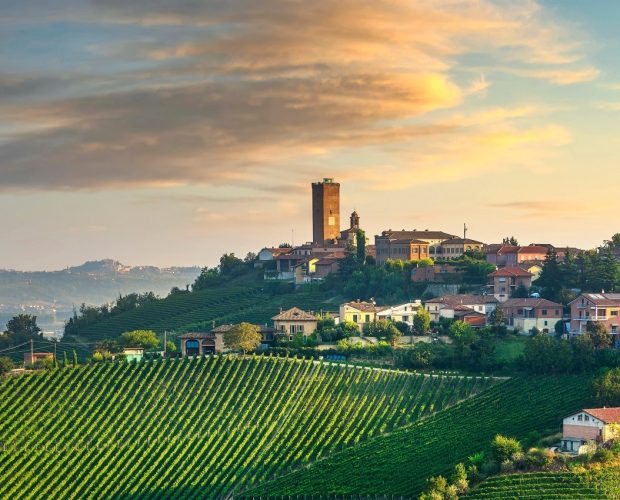
Barbaresco Wine Region Guide
Explore Barbaresco DOCG through Nebbiolo, its four communes, 66 MGAs and leading producers, with clear guidance to the region’s history and terroir. Explore region -
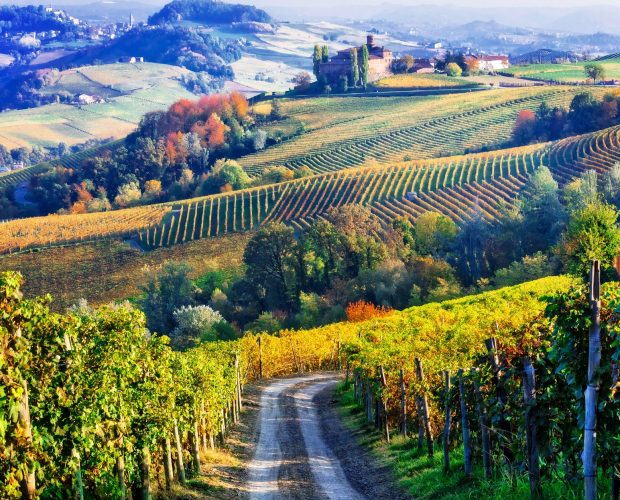
Barolo Wine Region Guide
Explore the Barolo wine region in Piedmont, with maps, DOCG appellations, Nebbiolo villages, key wines, and planning notes for a private visit. Explore region -
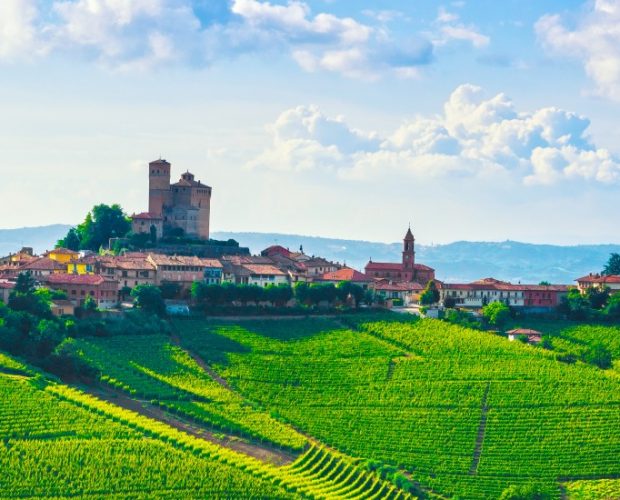
Barbera d’Alba Wine Region Guide
Discover Barbera d'Alba: Piedmont's cherished red, celebrated for its depth and drinkability. Explore its heritage and unique terroir. Explore region -
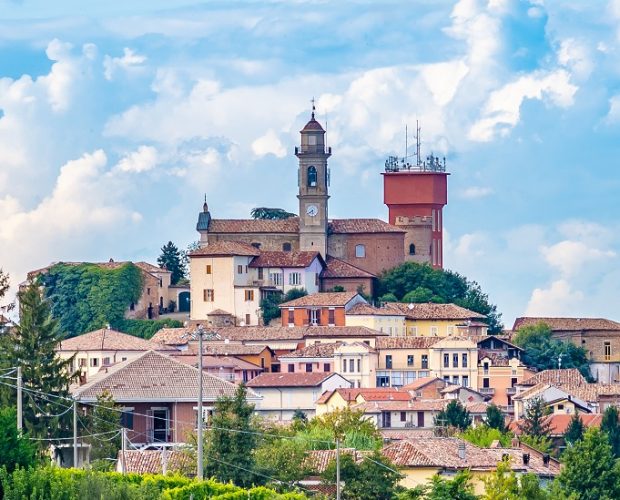
Barbera d’Asti Wine Region Guide
Discover Barbera d'Asti: Piedmont's Gem. Dive into bold, seductive wines from the sun-drenched hills of the iconic Asti region. Explore region -
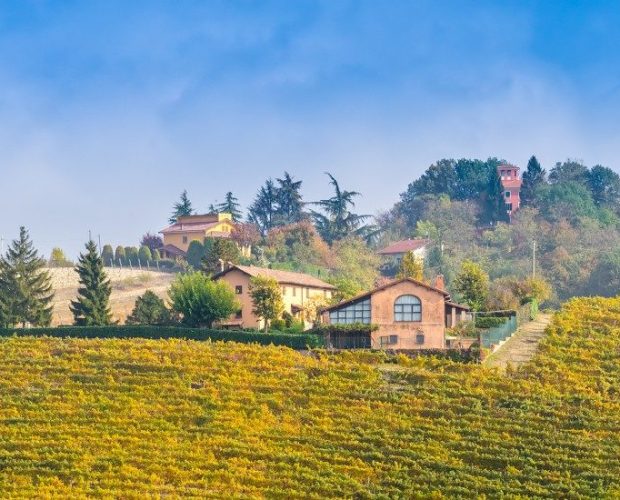
Cortese di Gavi Wine Region Guide
Explore Cortese di Gavi wines, blending historic elegance with modern freshness. Perfect for discerning palates seeking unique Italian whites. Explore region -
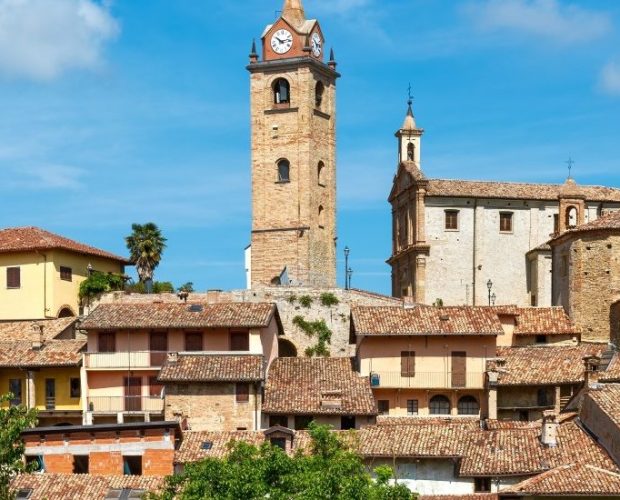
Dogliani Wine Region Guide
Explore Dogliani, the heart of Dolcetto wine, offering rich flavors and premium vintages set in picturesque Piedmont. Explore region -
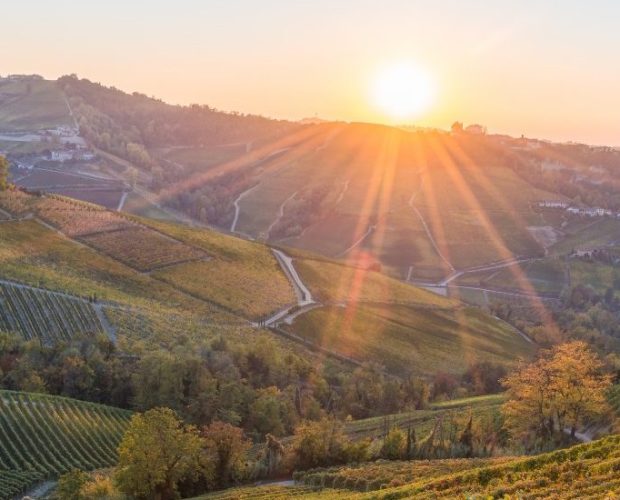
Gattinara and Ghemme Wine Regions Guide
Discover Alto Piemonte: a rising star in Nebbiolo winemaking, blending ancient soils with innovative techniques for exceptional wines. Explore region -
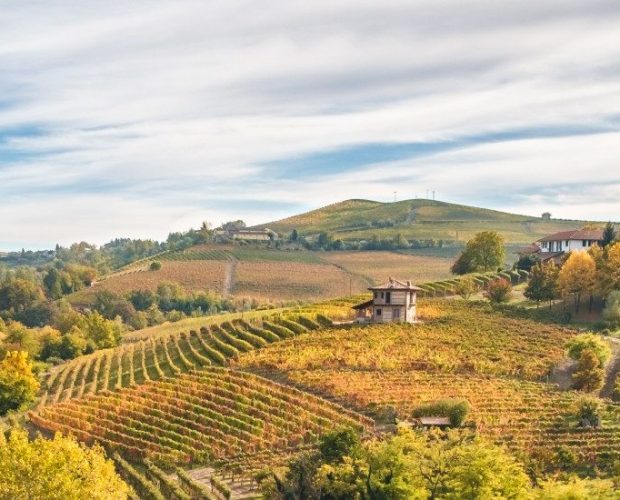
Roero Wine Region Guide
Discover Roero's rich Nebbiolo & Arneis wines. Explore the unparalleled value and diversity from Piedmont's less-known but impressive vineyards. Explore region
Key Grape Varietals
-
White grape
Arneis
Explore Arneis: A Fascinating Journey Through Piedmont's Wine Heritage from Ancient Romans to Modern Resurgence View grape -
White grape
Cortese
Discover the hidden gem of Italian white wines: the Cortese grape variety. Learn about its unique flavors and find out why it's gaining popularity. View grape -
White grape
Chardonnay
Chardonnay is a green-skinned grape varietal native to the Burgundy wine region in France and one of the most popular varieties worldwide. View grape -
White grape
Erbaluce
Exploring Erbaluce: From Bubbly Spumante to Passito and Dry Whites. A Taste of Piedmont's Wine Diversity View grape -
White grape
Favorita (Vermentino)
Explore the Renaissance of Sardinian Vermentino: From Forgotten Grape to Crisp Elegance. Discover Now! View grape -
White grape
Moscato
Discover the Rich Tradition of Muscat Wine: From Ancient Air-Drying to Sweet and Sparkling Varieties | Explore Muscato Giallo View grape -
White grape
Malvasia
Malvasia delle Lipari is the aromatic white grape behind the Aeolian Islands’ historic dry and sweet wines. In the Malvasia delle Lipari DOC, it may be blended with... View grape -
White grape
Sauvignon Blanc
The sauvignon blanc grape varietal, originally from the Bordeaux region of France, is now one of the world's most loved white varieties. View grape -
Red grape
Barbera
Discover Piedmont and Nebbiolo: A Noble Marriage of Grape and Terroir. Explore the essence of Nebbiolo in the Langhe hills of northern Italy. View grape -
Red grape
Bonarda
Croatina: Italy's hidden gem in red wine. Explore its unique characteristics and the challenge of crafting single-varietal expressions. View grape -
Red grape
Dolcetto
Discover Piedmont and Nebbiolo: A Noble Marriage of Grape and Terroir. Explore the essence of Nebbiolo in the Langhe hills of northern Italy. View grape -
Red grape
Cabernet Sauvignon
Learn what Cabernet Sauvignon tastes like, where it grows best, why it matters in Bordeaux, and how to pair and serve this age-worthy red grape. View grape -
Red grape -
Red grape
Merlot
Merlot is the most cultivated grape in Bordeaux and closely related to Cabernet Franc View grape -
Red grape
Nebbiolo
Discover Piedmont and Nebbiolo: A Noble Marriage of Grape and Terroir. Explore the essence of Nebbiolo in the Langhe hills of northern Italy. View grape -
Red grape
Pinot Noir
Pinot Noir is one of the world’s great red wine grapes. Learn its flavors, food pairings, key regions, Burgundy styles, Champagne role, and why it is so difficult... View grape -
Red grape Uva Rara
Uva Rara is a red Italian grape variety cultivated in Piedmont and Lombardy, mainly used for blending. It is permitted in Ghemme's DOCG wines alongside Nebbiolo and often...
Piedmont gastronomy
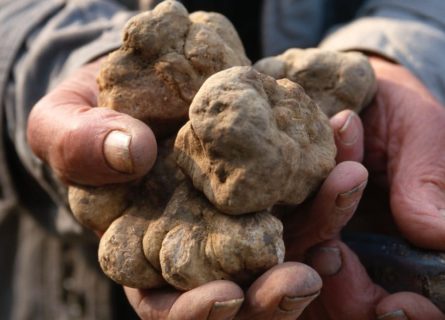
Piedmont is often called the “Burgundy of Italy,” justly celebrated for its superlative wines and outstanding gastronomy. It has long attracted gourmet travelers and wine enthusiasts to its fog-covered hills, particularly during truffle season (October to January) when the legendary white truffles of Alba can sell for thousands of euros a kilo! Alba also hosts the annual International Alba White Truffle Fair, which attracts chefs from all over the world, and Asti hosts the lively medieval “Palio” festival.
Therefore, it’s no surprise that the Slow Food movement (now an international phenomenon) began here and that Piedmontese pasta, risotto, and game are among the finest in Europe. But, for our money, nothing comes close to homemade tajarin with butter and white truffle: simple yet utterly divine.
Wineries Recommended by Cellar Tours
Barbera d’Asti DOCG / Monferrato 1 winery
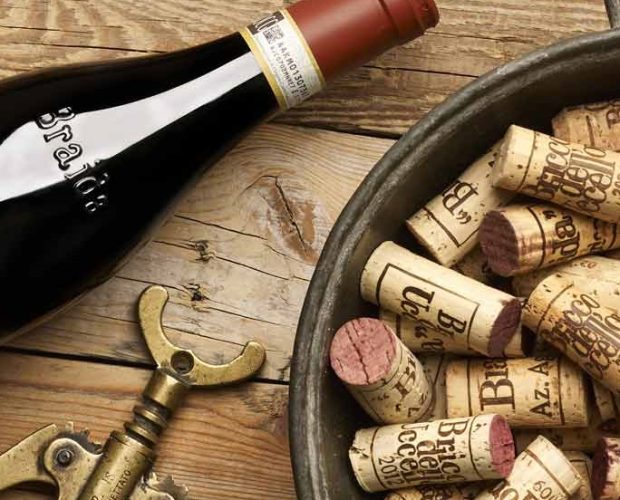
Langhe 1 winery
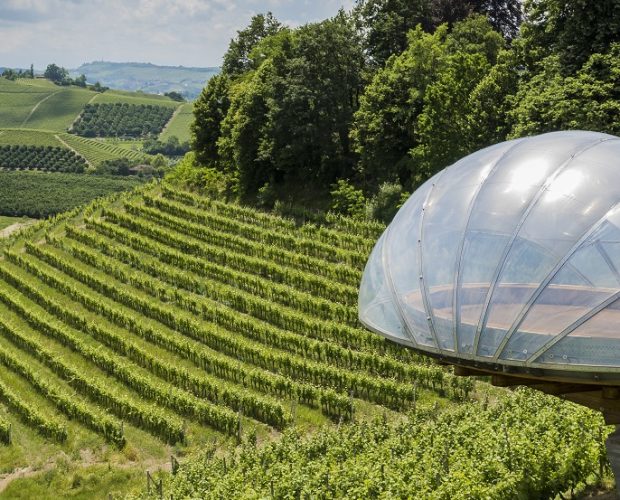
Barolo DOCG 2 wineries
- Cordero di Montezemolo Monfalletto, Italy: Centuries-old winery known for premium Barolos and Barberas, with a legacy of family heritage and vineyard mastery. View winery
- Massolino Massolino Winery, since 1896, excels in spicy Barolos from Serralunga d'Alba, Piedmont. Famous for Classic Barolo and exclusive crus with a rich legacy. View winery
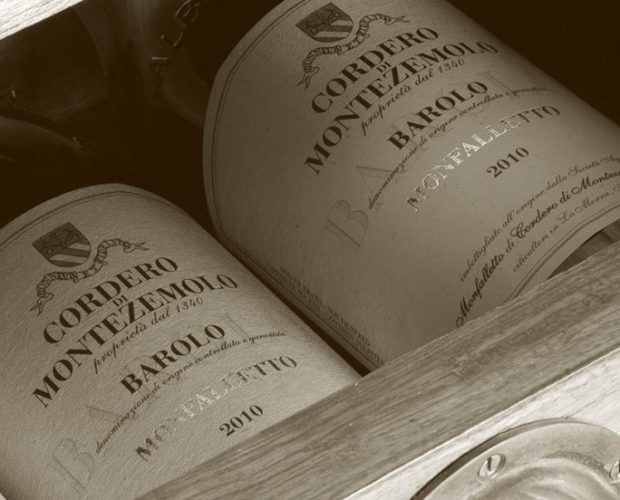
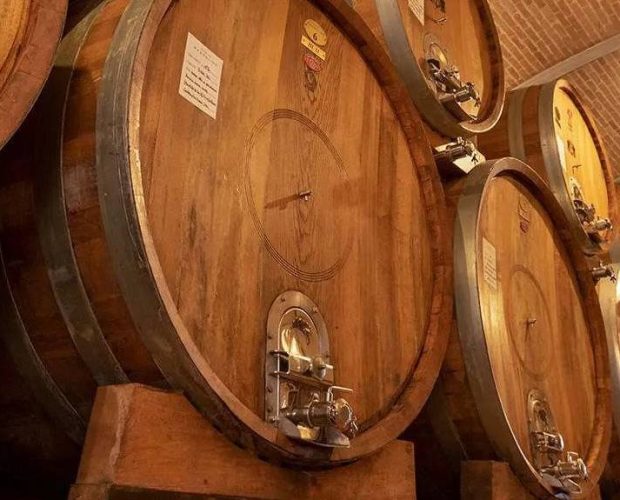
Barbaresco 1 winery
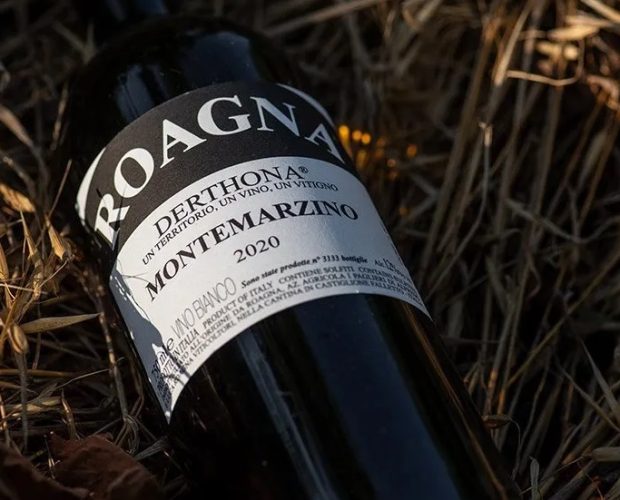
Gavi DOCG 1 winery
Roero DOCG 1 winery
Gattinara DOCG / Alto Piemonte 1 winery
Colli Tortonesi DOC 1 winery
Alta Langa DOCG and Asti DOCG / Canelli 1 winery
Further Reading
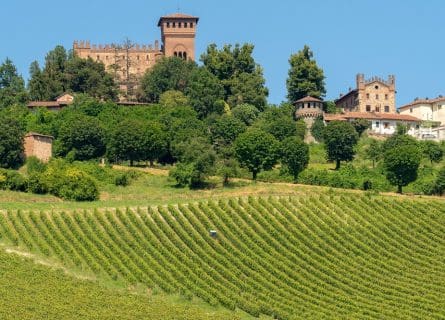
Cortese grape variety: Jewel of the north
November 24, 2022
Discover the hidden gem of Italian white wines: the Cortese grape variety. Learn about its unique flavors and find out why it's gaining popularity.
Read article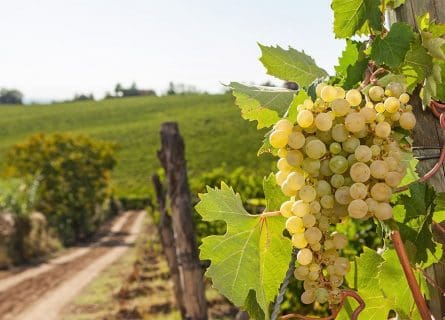
Timorasso Wine Guide: Piedmont’s Age-Worthy White Grape
January 14, 2023
Discover Timorasso, Piedmont’s age-worthy white grape, with its flavor profile, Colli Tortonesi origins, food pairings, and producers.
Read article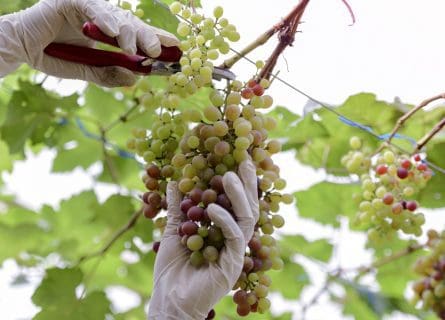
Trebbiano Toscano Grape Variety
January 17, 2023
Experience Trebbiano Toscano's Renaissance: Aromatic & Fresh Bianco Toscana IGT from Petrolo. The Future of Italian White Wine
Read article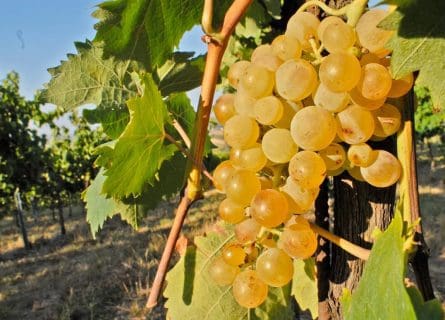
Albana Grape Variety: The Road Less Traveled
November 8, 2022
Discover Romagna Albana: A Diverse Wine Wonderland - From Sparkling Elegance to Rich Dessert Wines. Explore the Spectrum!
Read article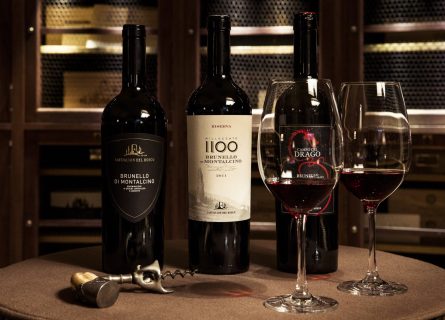
Decoding Italian Wine Classification: A Beginner’s Guide
March 7, 2025
Unlock the secrets of Italian wine classifications. Understand DOC, DOCG, and IGT to choose your perfect bottle with confidence.
Read article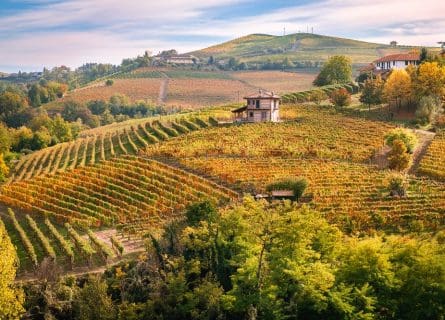
Arneis Grape Variety
November 11, 2022
Explore Arneis: A Fascinating Journey Through Piedmont's Wine Heritage from Ancient Romans to Modern Resurgence
Read articleAuthor